Off The Pitch Gossips
FIFA’s water breaks exposed: Player & fan welfare not at the center of the policy in the World Cup 2026

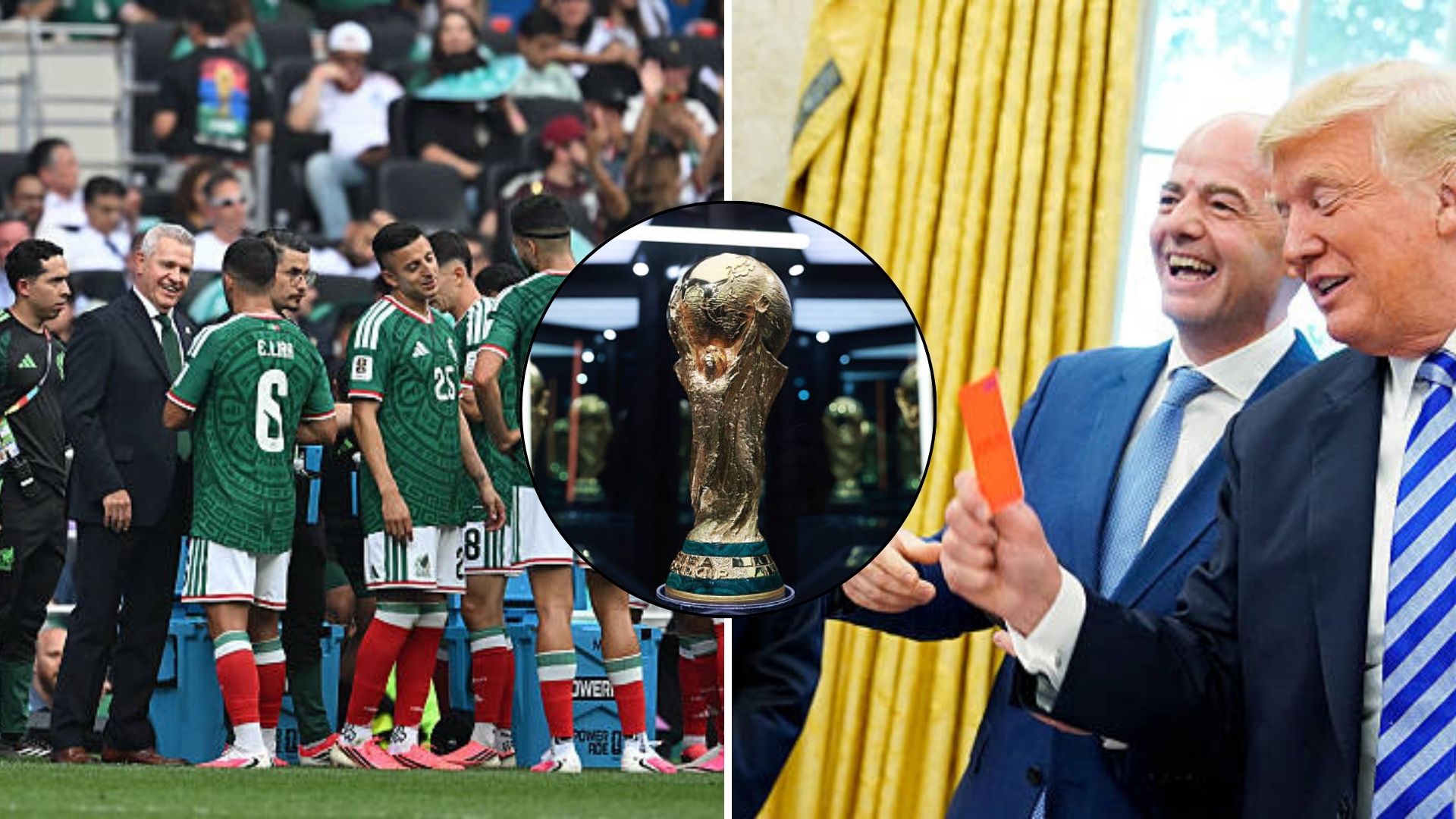
The World Cup started only yesterday and FIFA’s fingerprints are on everything wrong with it.
Tickets prices that price out real fans. The Azteca reduced to a curtain-raiser venue while a New Jersey NFL ground hosts the final. A referee controversy and the political situation affecting Iranian football team.
And now this: the governing body has quietly turned player welfare into a commercial product. Predictably, it unravelled on day one of the World Cup.
Romain Molina exposes the lie behind FIFA’s “cool-down” breaks
Investigative journalist Romain Molina, one of the few reporters consistently willing to hold FIFA to account, revealed what many suspected. The cool-down breaks introduced this tournament have nothing to do with player health.
They exist to give broadcasters mid-match advertising slots in a sport that has never had them. FIFA announced that every game would feature two scheduled three-minute hydration breaks, framing them as a measure to protect players from high summer temperatures.
The reality, per Molina, is more cynical. FIFA president Gianni Infantino estimated the World Cup could draw six billion global viewers, making those six-minute blocks across 104 games extraordinarily valuable advertising real estate.
Football fans worldwide have never sat through mid-match commercial breaks. FIFA just sold that tradition to the highest bidder.
From water bottles to water breaks: FIFA only cares about money
This is not an isolated incident. It is a pattern. We have already covered how FIFA turned water bottles into a sponsorship asset: branding even the most basic act of hydration. Now, they have sold the hydration breaks themselves.
Molina went further than the footage alone. He reported the referee physically held players on the pitch during the break: waiting for a coordinator’s signal that Fox had finished its ads. Despite that delay, Fox still broadcasted advertisements when the game had already restarted.
Players stood idle. Fans missed live action. None of it mattered. FIFA did not create cool-down breaks to protect players. It created an inventory of new commercial slots and handed broadcasters the keys. The players were props. The fans remain an afterthought.