Liverpool
The “last-minute” plague: Why late winners in the Premier League are at an all-time high

Last Updated on 4 March 2026
The Premier League has always thrived on late drama. But in recent seasons, stoppage time has started to feel less like an epilogue and more like the main event.
Across the Premier League, matches are being decided deep into added time with startling regularity. For fans, it’s theatre. For managers, it’s chaos.
Few clubs illustrate this better than Liverpool, a team that has both mastered and suffered the brutal volatility of the final minutes.
Liverpool’s stoppage-time paradox
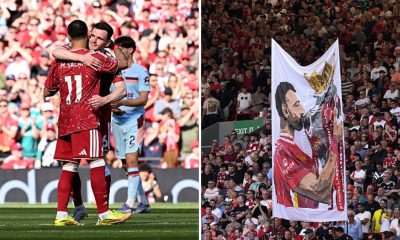
Liverpool have built a reputation over the years as masters of the late winner. From Anfield eruptions to away-day heartbreaks for opponents, the club holds the Premier League record for the most goals scored after the 90th minute.
That reputation looked intact a couple of weeks ago when Alexis Mac Allister struck a dramatic 97th-minute winner against Nottingham Forest at the City Ground. It was another entry in a long catalogue of Liverpool goals that arrive when the clock appears to have run out.
But the same weapon has begun to turn against them.
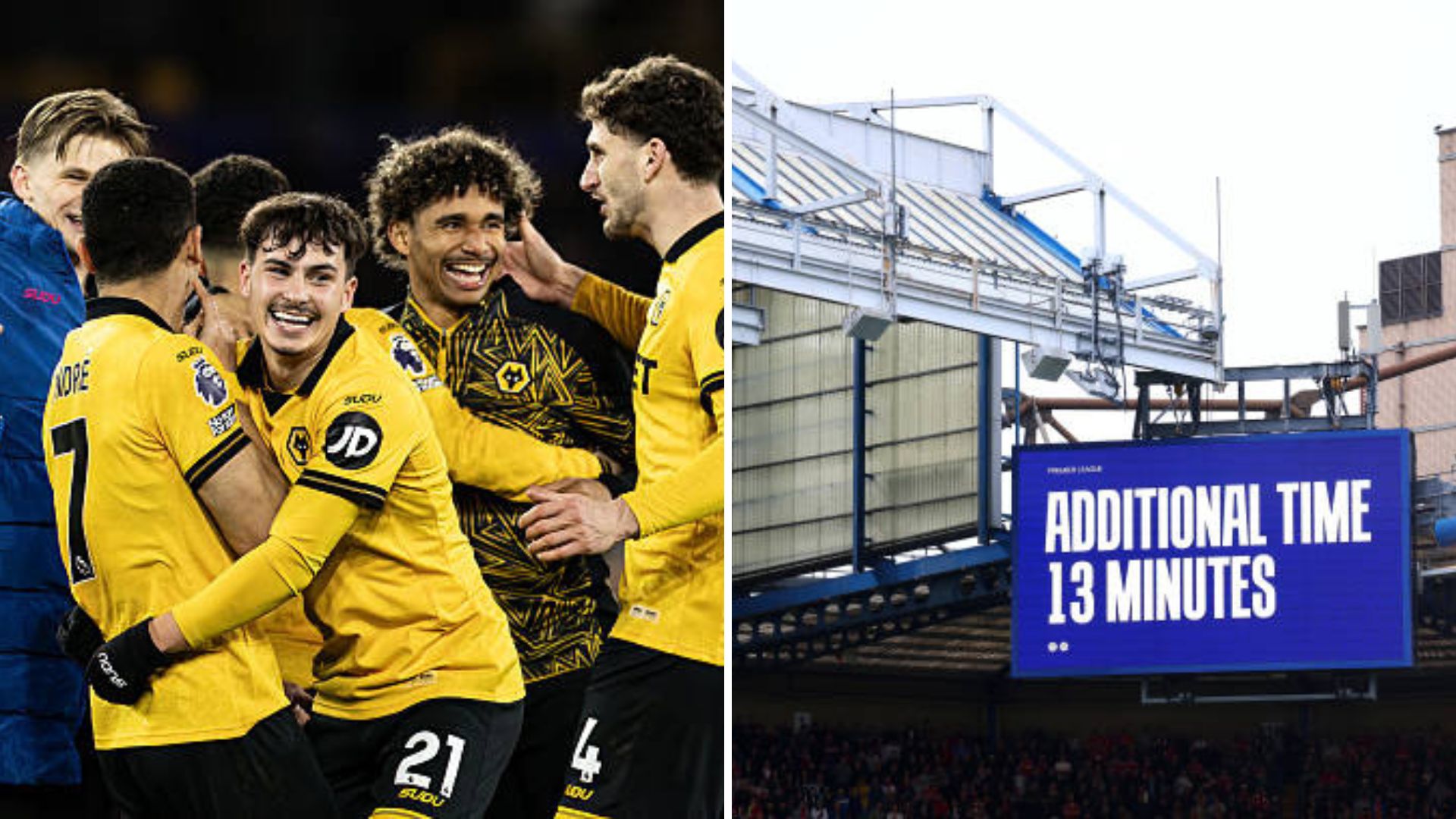
In a recent defeat at Molineux, Liverpool appeared to have salvaged a result when Mohamed Salah equalised in the closing stages. Instead, deep into stoppage time, Wolves found a decisive winner, a moment that underlined a troubling trend.
The defeat marked the fifth time Liverpool have conceded a stoppage time winner in a single campaign, a record. Remarkably, it leaves them occupying both sides of history: most stoppage-time winners ever scored and the only team in a season to concede 5 late winners.
In other words, Liverpool have become the perfect symbol of modern football’s most chaotic phase: the minutes that refuse to behave like the end of a match.
Why stoppage-time drama is becoming the new normal
Liverpool’s experiences are not isolated. Across the Premier League, the closing minutes have become a high-risk battlefield where matches routinely flip.

One major reason is the expansion of added time. Referees are instructed to account for delays more accurately, as per the Premier League, meaning games stretch beyond the 100-minute mark. With more time, the statistical chance of a decisive moment naturally increases.
Tactics have also evolved. Managers now treat the final phase of matches almost like a separate mini-game. With five substitutions available, fresh attackers are introduced specifically for the closing stretch, turning the final minutes into relentless pressure.
Fatigue compounds the problem. Modern pressing systems demand enormous physical output, leaving defenders mentally and physically drained by the time stoppage time begins. A single lapse: a missed clearance, a mistimed step, a deflection, can undo ninety minutes of control.
There is also a psychological shift. Teams no longer assume the match is finished at 90 minutes. After witnessing so many dramatic finishes, even struggling sides now push forward with belief rather than settling for a draw.
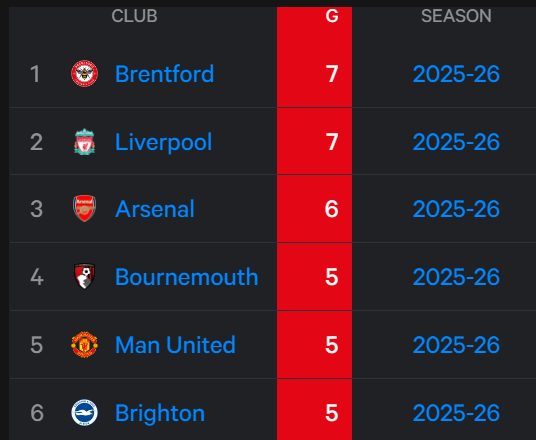
The result is a league where the clock rarely feels like protection. Instead, it’s an invitation for chaos, and increasingly, the most decisive moments arrive when the match was supposed to be over.