Arsenal
From dirt roads to entire towns: Premier League stars who went back & changed everything

Football has a habit of producing rags-to-riches stories so familiar they barely register anymore. Another young kid from nothing, another Premier League contract, another supercar.
But a handful of players have done something far rarer with that wealth, they went back. Not for a photo opportunity or a branded visit, but with real money, real infrastructure, and a genuine reckoning with where they came from.
These are five Premier League players who didn’t just change their own lives. They changed their communities entirely.
Sadio Mane – The man who rebuilt a village
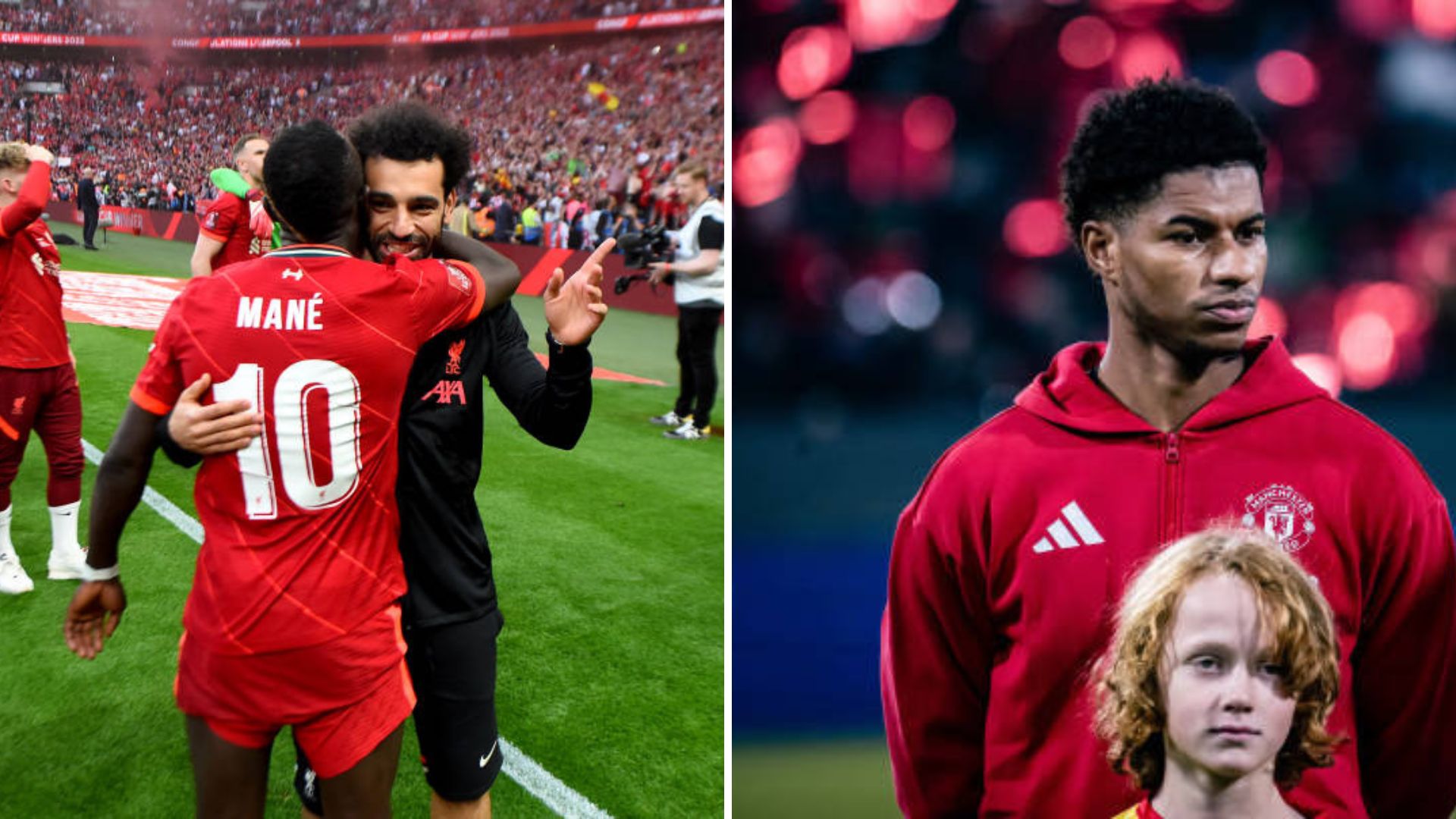
No player on this list did it more completely than Sadio Mane. His village of Bambali, Senegal, a farming town of roughly 2,000 people located 400 km from Dakar, had no hospital, no secondary school, no petrol station, and no post office when he left for Europe as a teenager.
By the time he left Liverpool for Bayern Munich, he had spent over £700,000 building all of the above, including a £455,000 hospital that now serves 34 surrounding villages. He personally met with Senegal’s president to hand the hospital over to the government.
He also commissioned a €70-a-month stipend to every family in Bambali, and funded 4G internet for the village. When asked why, his answer was simple: “Why would I want ten Ferraris? I was hungry, I played barefoot, I survived hard times, today, I can help my people.”
Mohamed Salah – The Egyptian village that became a pilgrimage
Mohamed Salah has funded a school, a hospital, an Al-Azhar institute, and an ambulance unit in his hometown of Nagrig, a small Nile Delta village where most people live in poverty. His charitable foundation provides monthly financial support to 450 families in the area.
The impact has been so well-known that hundreds of poor Egyptians from across the country began travelling to Nagrig seeking aid, turning the village of his childhood into something close to a national lifeline.
The man who makes the three-hour bus journey to Cairo as a 14-year-old just to train now funds the infrastructure his entire region was missing.
Richarlison – The first paycheck that built a house
Richarlison built a house for his grandmother in Nova Venecia, a city of 50,000 in southeastern Brazil, with his very first professional paychecks. That was just the beginning for the Tottenham star.
He has since bought houses for almost all his closest relatives, distributing over 1,000 care packages to struggling families in the region in 2020. Richarlison donates 10% of his salary to a cancer hospital in Sao Paulo: a cause tied to the death of his grandfather from the disease.
He also funded school children’s flights to an international mathematics olympiad they had qualified for but couldn’t afford to attend. A footballer who grew up harvesting tomatoes on his grandfather’s farm, quietly making sure others don’t have to.
Marcus Rashford – The kid who changed government policy
Marcus Rashford’s story is different in geography but identical in spirit. He grew up receiving free school meals in Wythenshawe, Manchester, and has spoken candidly about nights when there was simply no food at home.
In 2020, the Manchester United turned that experience into a national campaign that forced the UK government into a U-turn on free school meals for 1.3 million vulnerable children.
His End Child Food Poverty campaign led to a government package worth £400 million, a staggering real-world consequence of one footballer refusing to forget where he came from. He didn’t build a hospital, he changed a law.
Bukayo Saka – 120 operations and counting
Since 2022, Arsenal’s Bukayo Saka has partnered with children’s charity BigShoe to fund 120 life-changing surgeries for children in Kano, Nigeria. They treat hernias and brain tumours in kids who would otherwise have had no access to care.
His parents emigrated from Nigeria before he was born, and Saka has been open about his pride in that heritage. The operations are quiet, unglamorous and transformative.
No stadium naming rights, no press conference, just a 24-year-old from Ealing making sure children on the other side of the world get to live full lives.