Liverpool
Liverpool’s selling problem: A model that desperately needs fixing

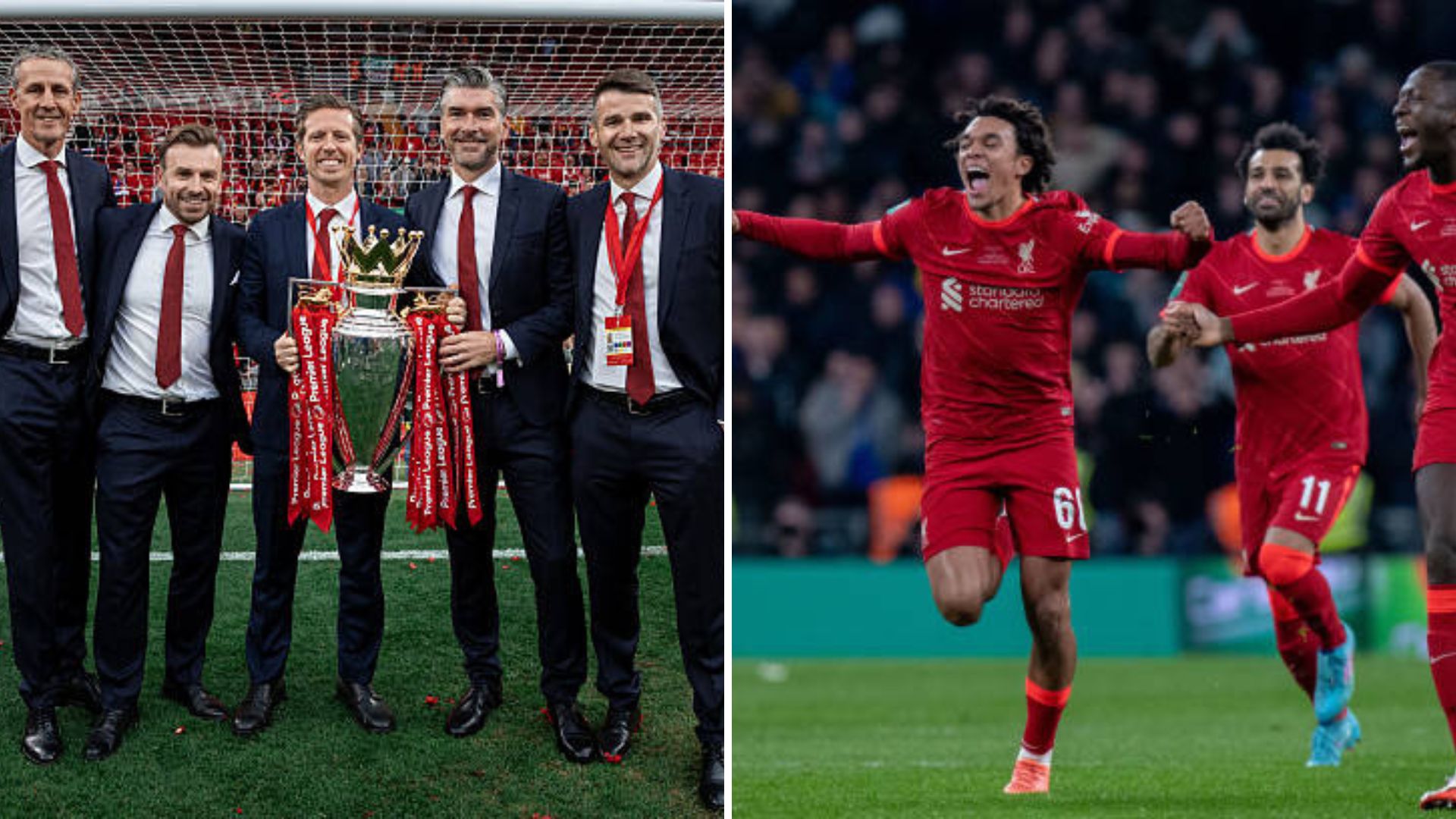
Liverpool built success partly through smart trading, yet that model has broken down badly. Over the last six years, star after star has walked away for nothing.
Wijnaldum, Firmino, Alexander-Arnold and now Salah all left without fees. Meanwhile, the club’s football brains are changing too, with Edwards gone and Hughes heading out next.
Timing couldn’t be worse, but for Liverpool, could it be a case of fresh ideas and faces bringing about a change?
Six years of costly mistakes at Liverpool
The pattern started with Wijnaldum in 2021. He left for PSG on a free, despite Liverpool having no replacement. Then Firmino followed two years later, alongside Milner, Keita & Oxlade-Chamberlain. All departed on a free. Since then, things haven’t improved.
Trent Alexander-Arnold technically cost Real Madrid just €10million, effectively a free transfer in disguise. Robertson and Konate left similarly this summer, running down contracts completely. Salah, remarkably, terminated his deal early with a year still remaining.
Consequently, Liverpool has reportedly lost around £300million in unrealised transfer value. That’s staggering for a club relying on smart trading to fund signings. Unlike City or Chelsea, Liverpool doesn’t have unlimited financial firepower.
Therefore, every missed sale genuinely hurts squad-building elsewhere.
Liverpool’s guard behind the scenes is changing – New era beckons?
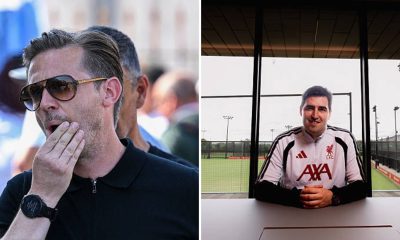
Now, though, the people responsible for these decisions are departing too. Michael Edwards, once credited with brilliant recruitment work, left his CEO role recently. Sporting director Richard Hughes is also expected to leave after this transfer window closes.
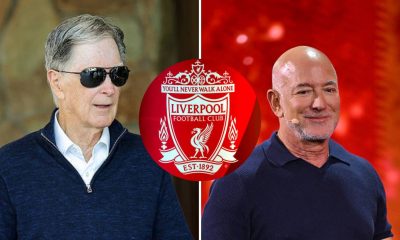
That leadership vacuum arrives at an awkward moment. Simultaneously, FSG is negotiating a potential minority stake sale. Reports suggest Amit Bhatia’s consortium, possibly backed by Jeff Bezos, wants roughly 30% of the club. They already have a new manager in Andoni Iraola.
Therefore, Liverpool faces genuine uncertainty across multiple fronts. New investors will likely demand better financial discipline going forward. Meanwhile, whoever replaces Hughes must fix contract renewals immediately. Otherwise, more names could leave for nothing.
Ultimately, Liverpool’s next sporting director inherits a broken system. Fixing it won’t happen overnight, but ignoring it risks repeating painful history.