Liverpool
Anfield’s house of cards: Why Richard Hughes’ Al Hilal link could topple the Arne Slot era

Last Updated on 19 March 2026
Liverpool Football Club is built on control, structure and data-driven clarity. Right now, though, it feels anything but stable.
A season that began with the promise of continuity after Jurgen Klopp has drifted into uncertainty. Results have dipped, performances have flattened, and the defending champions now sit miles off the pace.
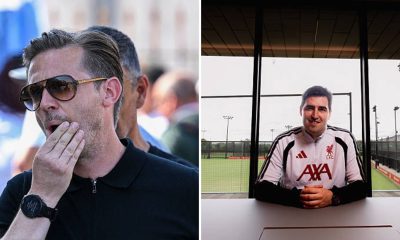
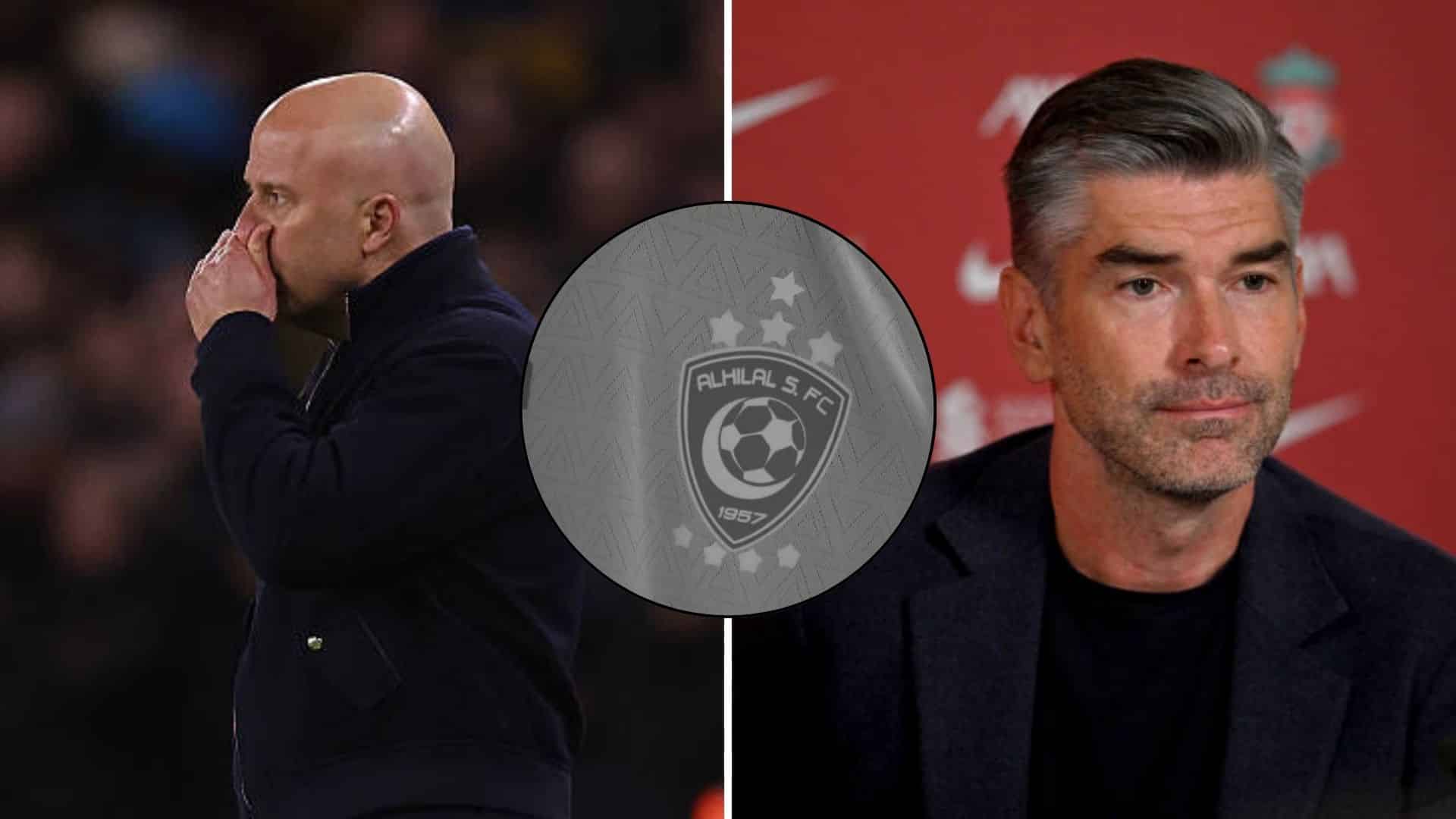
Now, reports linking Liverpool’s sporting director Richard Hughes to Al Hilal have added a new layer of instability. Because if the architect starts looking for an exit, the entire structure begins to wobble.
Richard Hughes uncertainty leaves Arne Slot exposed at a crucial moment
The timing of the Richard Hughes-Al Hilal links couldn’t be worse for Liverpool. With the team already struggling for consistency, uncertainty at the top only deepens the sense of instability around the club.
Even if Liverpool publicly downplay the reports, the message is hard to ignore. When a sporting director begins to attract, or entertain, outside interest, via OneFootball, that too, during a turbulent season, it raises questions about long-term commitment.
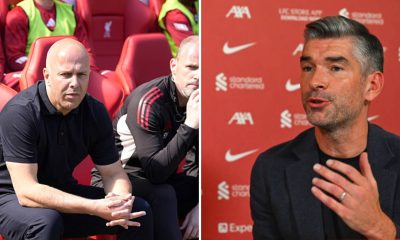
For Arne Slot, that creates immediate pressure. Managers rely heavily on alignment with the sporting structure above them. If that foundation starts to shift, so does their security and the situation becomes even more delicate given Liverpool’s current form.
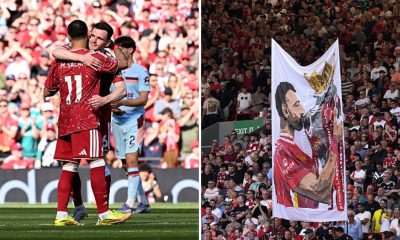
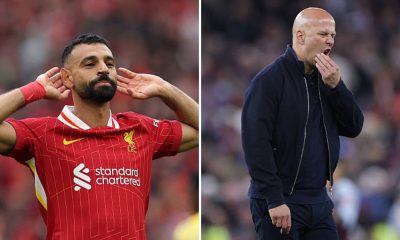
Battling inconsistency, Slot no longer has the cushion of results to protect him. It became even more evident with the Dutchman under-pressure after being uncharacteristically animated on the touchline for Liverpool’s win over Galatasaray with Mohamed Salah reaching 50 CL goals.
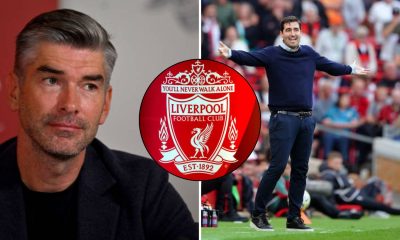
At the same time, alternative narratives are beginning to surface. Links to Xabi Alonso are growing louder, and in a results-driven environment, speculation quickly turns into succession planning.
If Hughes departs, Slot risks becoming isolated, a head coach without the architect who built his squad and in modern football, that rarely ends well.
Recruitment misfires leave Liverpool’s squad unbalanced
Behind the uncertainty lies a more fundamental issue: the squad itself. Liverpool backed Slot heavily in the transfer market, committing close to £450 million to reshape the team. On paper, it looked like a statement of intent. On the pitch, it has exposed structural flaws.
The decision to sell Luis Diaz remains the clearest example. Liverpool allowed a proven wide threat to leave, only to rely on limited alternatives on the left. As a result, the attack has often lacked variety and unpredictability.
Meanwhile, the big-money arrivals haven’t consistently delivered. Florian Wirtz has shown flashes of brilliance but hasn’t yet controlled games in the way his price tag demands.
Defensively, the issues are just as clear. Liverpool’s reluctance to meet Crystal Palace’s valuation for Marc Guehi, only for him to join Manchester City, has left the backline short on depth and reliability.
What emerges is a confused strategy. Aggressive spending in some areas, hesitation in others, and key decisions that have disrupted balance rather than improved it.
Ultimately, recruitment sets the ceiling for any manager. And right now, Liverpool’s ceiling looks lower than it should: a reality that reflects just as much on the boardroom as it does on the touchline.