Off The Pitch Gossips
Vozinha’s mum gets her visa but how many untold stories did Trump & FIFA’s $15,000 wall silence?

Last Updated on 17 June 2026
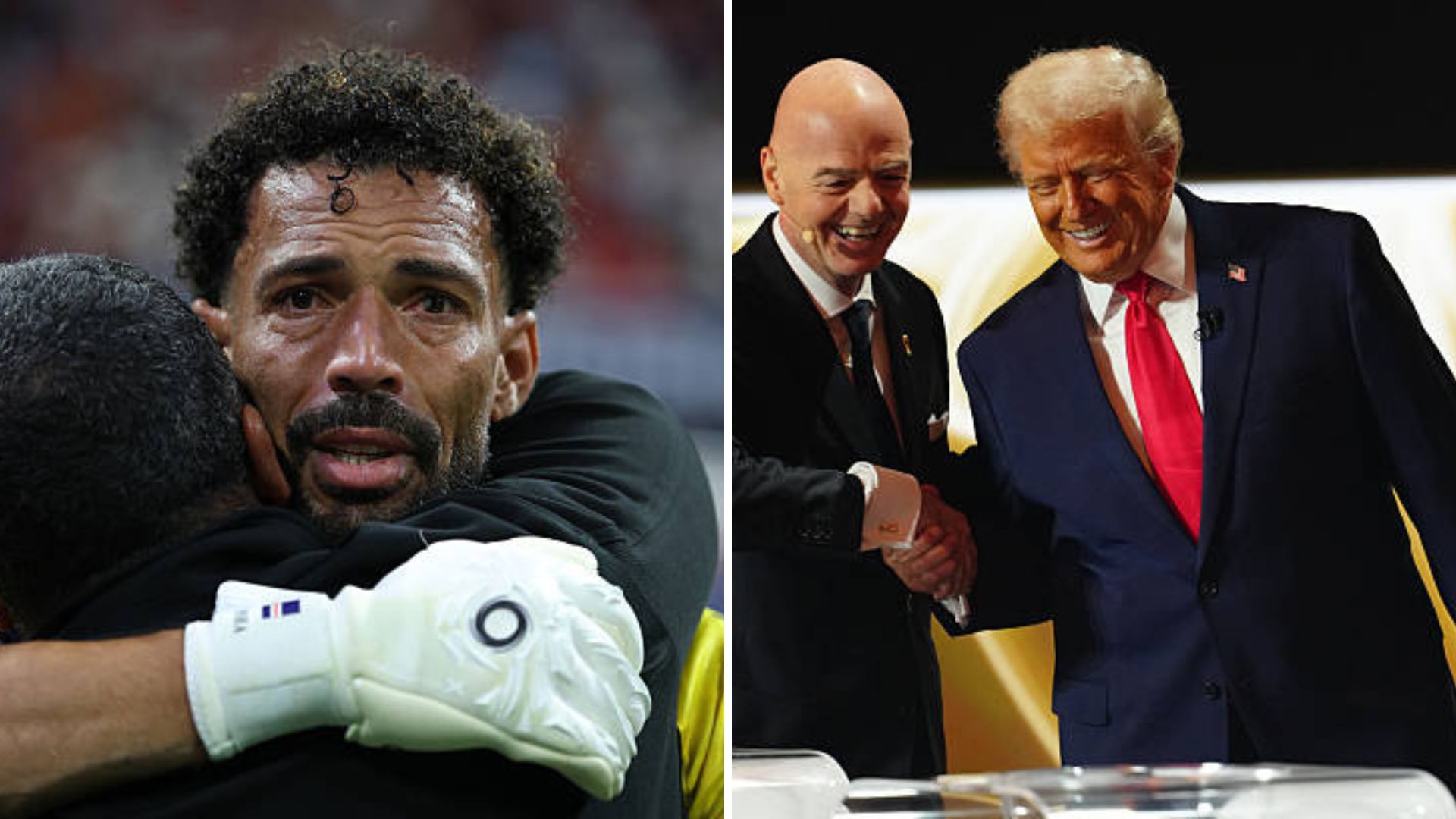
It took a 40-year-old journeyman goalkeeper weeping on live television for the system to blink. After Vozinha’s stunning World Cup debut against Spain, his tearful admission that his mother could not attend because of visa costs went viral within hours.
Politicians moved. Phone calls were made. A reunion is now happening in Miami. Wonderful, and completely indicting.
But what about the thousands others who have been priced out of the World Cup by the money-hungry Trump administration and FIFA?
Vozinha’s viral moment fixed what FIFA’s policy deliberately built
Congressman Hakeem Jeffries called Secretary of State Marco Rubio personally after watching Vozinha’s post-match interview. Fees were subsequently waived. Travel arrangements followed swiftly, according to BBC Sport.
“No mother should miss the chance to see her child make history,” Jeffries wrote. He is right, and that is the problem. Citizens of Cape Verde, along with those of Algeria, Ivory Coast, Senegal and Tunisia, faced a visa bond of up to $15,000 before this tournament.
A partial exemption for ticketed fans only arrived in May, far too late for Vozinha’s mother. So the system worked exactly as designed, until her son became an overnight sensation on social media. Sit with that for a moment. What if Vozinha had made an error and Cape Verde lost?
What if an Iraqi player, whose country is under a full US travel ban, broke down in tears after a similarly heroic performance? Would Jeffries have called Rubio? Would fees have been waived? Almost certainly not. The intervention was not a policy correction. It was a PR rescue, and the distinction matters enormously. Similar to the hydration breaks.
The world’s game has never been less accessible to the world
Gianni Infantino promised the “most inclusive” World Cup in history, then stood in the White House and accepted a peace prize from the president whose administration erected the walls. Citizens of 39 nations remain under travel bans.
Iraq, Haiti, Iran, all competing at this tournament, have fans who cannot legally attend a single match on US soil. The Haitian community in Miami, 90 minutes from several venues, watched their nation’s opener from living rooms and bars. Nobody called Rubio for them.
Furthermore, even without travel bans, the cost of attending this World Cup is prohibitive. Ticket prices, flights, accommodation in US cities, these represent sums entirely out of reach for ordinary supporters from the nations this tournament claims to celebrate.
Vozinha’s story is beautiful but it required a viral sensation, a politician’s phone call, and a secretary’s personal sign-off to produce. That is not inclusion. That is a lucky exception in a system designed to exclude and we should say so clearly.