Opinions & Analysis
The rule change nobody noticed is already eliminating World Cup teams

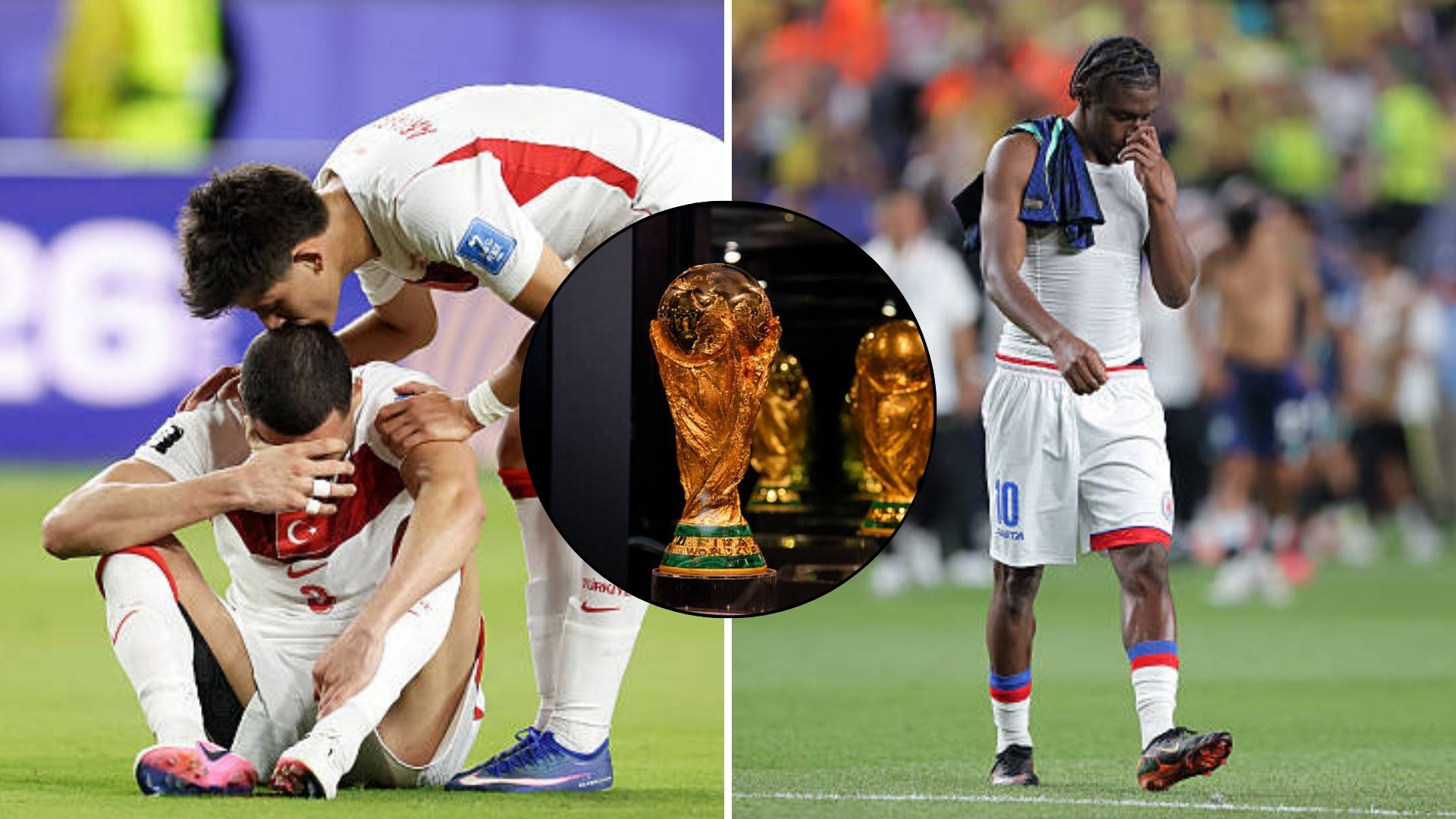
FIFA published it in April. Most people did not read it. But a quiet revision to the World Cup 2026’s tiebreaker criteria is already shaping who goes home early and who survives despite heavy defeats.
Two teams are already eliminated. Others are watching their fates hinge on results they no longer control.
And one side that conceded four goals may still go through. A single line in the rulebook is causing all this chaos in the World Cup.
Head-to-head is now king in the World Cup and it’s brutal
FIFA replaced overall goal difference with head-to-head records as the primary group-stage tiebreaker for 2026. This is the first time in World Cup history this criterion has been applied.
The new order works as follows: head-to-head points, then head-to-head goal difference, then head-to-head goals scored. Only should all 3 fail does goal difference come into play. Previously, that aggregate figure sat at the very top of the hierarchy since 1970.
The change aligns FIFA with UEFA’s longstanding approach in the European Championship and Champions League group stages, and it was partly motivated by the substantial skill-level gaps expected in an expanded 48-team field.
Lopsided scorelines, FIFA reasoned, should not punish teams who lost a tight game to a strong side but hammered a weaker one. The consequences have arrived faster than anyone anticipated. Haiti are eliminated after two losses: the first team out of the tournament entirely.
Turkey followed, sent crashing out by 10-man Paraguay, their 2nd defeat leaving them dead with a game still to play. Under the old system, both sides might have clung to slim goal-difference lifelines. Under the new one, two defeats render recovery almost impossible.
Meanwhile, the rule hands Sweden a peculiar lifeline. They were thrashed 5-1 by Netherlands, a scoreline that, under the old system, would have buried their goal difference and likely their tournament.
However, this year that deficit is irrelevant unless Sweden and Japan finish level on points in the final group game. Should Sweden beat Japan on matchday three, they advance regardless of that Netherlands defeat. The mathematics have fundamentally shifted.
Who benefits most in the third-place race?
Eight of the twelve third-placed teams advance to the Round of 32 and crucially, third-place rankings across groups use overall points, goal difference and goals scored rather than head-to-head, because those sides never met each other.
This creates a fascinating dual economy: survive your group via head-to-head, but compete for a third-place berth via the old-style aggregate metrics. Consequently, teams sitting third with one point and respectable goal difference carry genuine hopes of sneaking through as one of the eight best third-placed sides.
This includes the likes of Cape Verde, Bosnia-Herzegovina, and Scotland. Cape Verde held Spain to 0-0 thanks to Vozinha. Bosnia drew with Canada. Scotland beat Haiti and despite losing to Morocco and sit third in Group C with three points already.
All three could finish third and still make the Round of 32 with a decent final-day performance.