Opinions & Analysis
Premier League December survival guide: How top managers master squad rotation

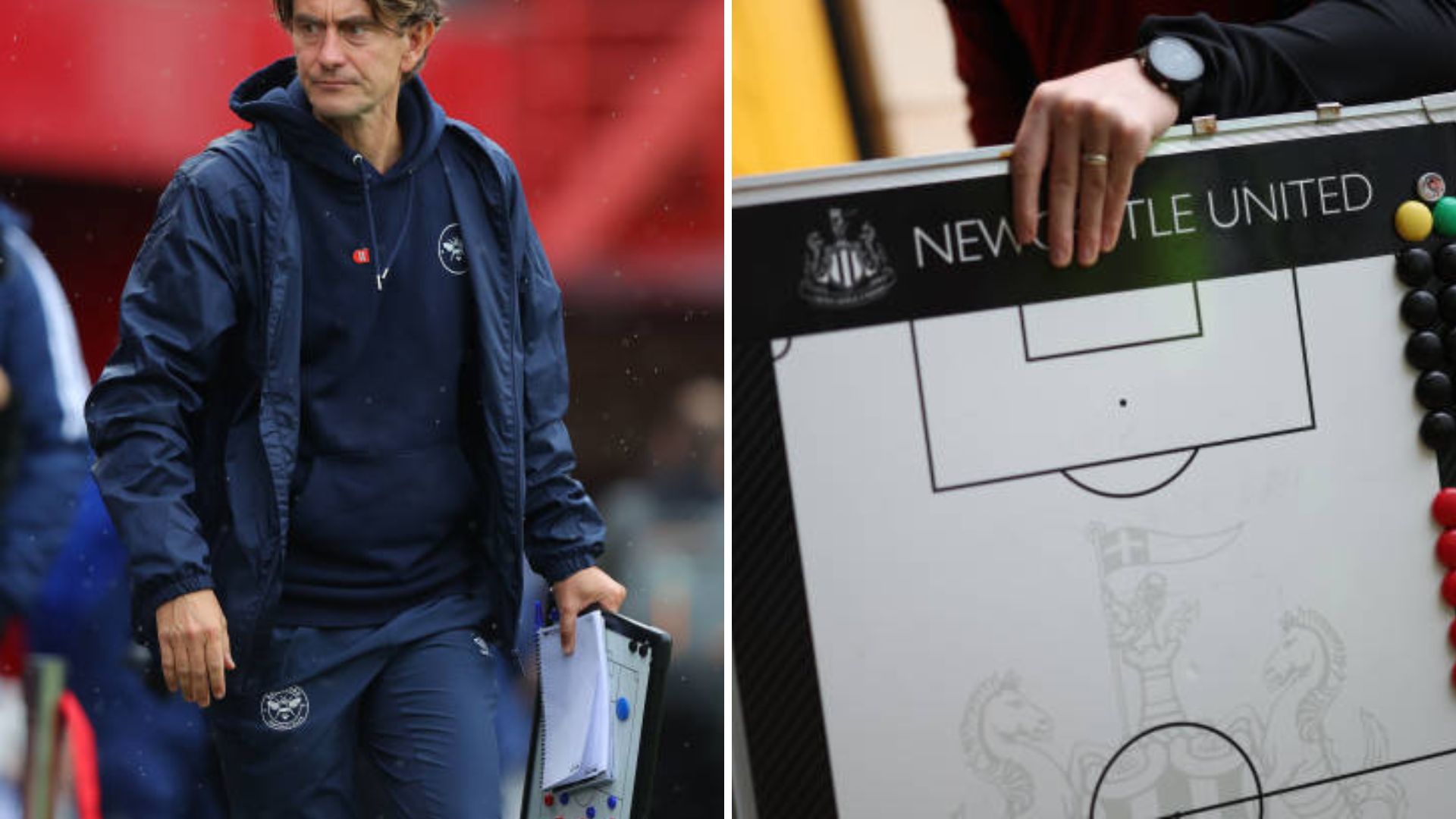
December in the Premier League is less about tactics boards and more about survival. While fixtures pile up at a relentless pace, the title race and relegation fight are often reshaped not by who plays the best football, but by who manages the chaos best.
This is the month where muscle injuries spike. Fatigue clouds decision-making with short turnarounds, and thin squads are brutally exposed. The managers who come out of December intact are rarely the loudest or most glamorous.
They are the ones who understand when to rotate. These managers know when to trust the bench, and when to sacrifice a game to protect the season. Here is how the Premier League’s smartest coaches turn December from a danger zone into a decisive advantage.
Quick turnarounds in the Premier League: Where seasons are won or lost
Every December survival plan starts with the calendar. In the modern Premier League, fixture congestion isn’t an inconvenience, it’s a threat. Teams can face up to 40 matches in roughly 15 days, turning squad management into a constant risk assessment exercise.
Sports science has reshaped how managers approach this period. Internal data used across the league shows that when recovery time drops below 72 hours, injury risk rises sharply. Once it dips to 48 hours, players enter what clubs privately call the “red zone”. This is where elite managers draw hard lines.
December fixtures are now tiered. High-priority matches see the strongest possible XI, even if it comes at a cost. Others are treated as rotation opportunities, where performance is balanced against availability. GPS data plays a decisive role.
If a key attacker exceeds their high-speed distance threshold on a Saturday, they are rarely allowed to go the full 90 again on Tuesday. Minutes are managed aggressively, substitutions are pre-planned, and sentiment is removed from the decision-making.
Tactical shape-shifting: Protecting players without losing control
Rotation only works if the system evolves alongside it. The smartest managers don’t just change personnel in December, they compress their football.
High-energy pressing systems are scaled back when legs go heavy. A relentless 4-3-3 becomes a more compact 4-5-1. Defensive lines drop five yards. Pressing triggers are simplified. The aim is not domination, but control with reduced physical output.
Full-backs are often the first to be protected. Instead of overlapping endlessly, they are inverted into midfield zones where positioning matters more than sprinting. This limits repeated recovery runs and preserves muscle load without abandoning structure.
Keeping the squad alive: The mental side of Premier League rotation
The physical battle of December is obvious. The psychological one is quieter, but just as decisive.
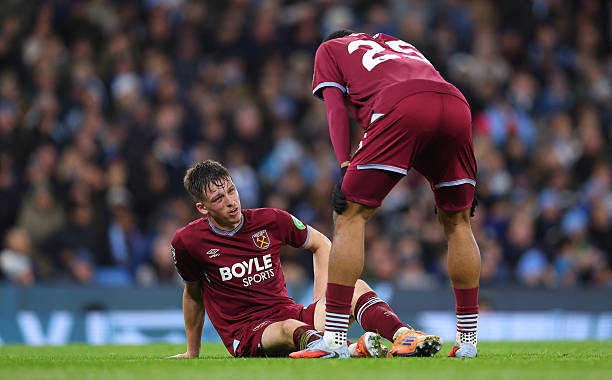
Fringe players often go weeks without meaningful minutes before being thrown into cold, unforgiving fixtures. The best managers prepare for this long before Christmas arrives. December is framed internally as opportunity, not obligation.
This approach becomes even more important in seasons affected by international tournaments. Managers aren’t just rotating for fatigue, they’re preparing for absences. Replacements are introduced gradually with short cameos early before starting games.
December doesn’t reward bravery or purity. It rewards planning. The managers who survive aren’t the ones who shout the loudest, but the ones who quietly keep their squad standing when everyone else starts falling.