Off The Pitch Gossips
The American invasion: How the U.S. is quietly taking over global football

Last Updated on 3 November 2025
Not too long ago, the United States treated football, or soccer, like a side dish in a feast dominated by baseball, basketball, and the NFL. But in 2025, it’s clear: America isn’t just watching football anymore, it’s reshaping it.
From billionaires buying into Europe’s biggest clubs to Hollywood stars turning lower-league sides into global brands, and from hosting FIFA tournaments to flirting with staging actual European league matches, the U.S. has gone from a curious onlooker to one of football’s most powerful players.
This is the American invasion and it’s changing the game in more ways than you could imagine.
From Wall Street to Wembley: The Power of American Money
The easiest place to see the U.S. footprint? The ownership boxes.
Manchester United (the Glazers), Liverpool (FSG), Arsenal (Kroenke), Chelsea (Todd Boehly), Crystal Palace, Bournemouth, and even smaller clubs like Burnley and Fulham all have American investors calling the shots. Over half the Premier League is now American-owned or part-owned, and that number keeps rising.
To these investors, football isn’t just a sport. It’s a global content machine. They’re importing the franchise mindset that’s made American sports billion-dollar industries: maximize revenues, grow fanbases across continents, and turn every fixture into an event.
That explains everything from endless pre-season tours in the U.S. to Netflix-style documentaries that turn locker rooms into drama series. Football isn’t just being played, it’s being produced.
And it’s not just billionaires. Hollywood’s getting in on it too. Ryan Reynolds and Rob McElhenney’s Wrexham fairy tale became a global hit, pulling in millions of fans who couldn’t point to North Wales on a map before.
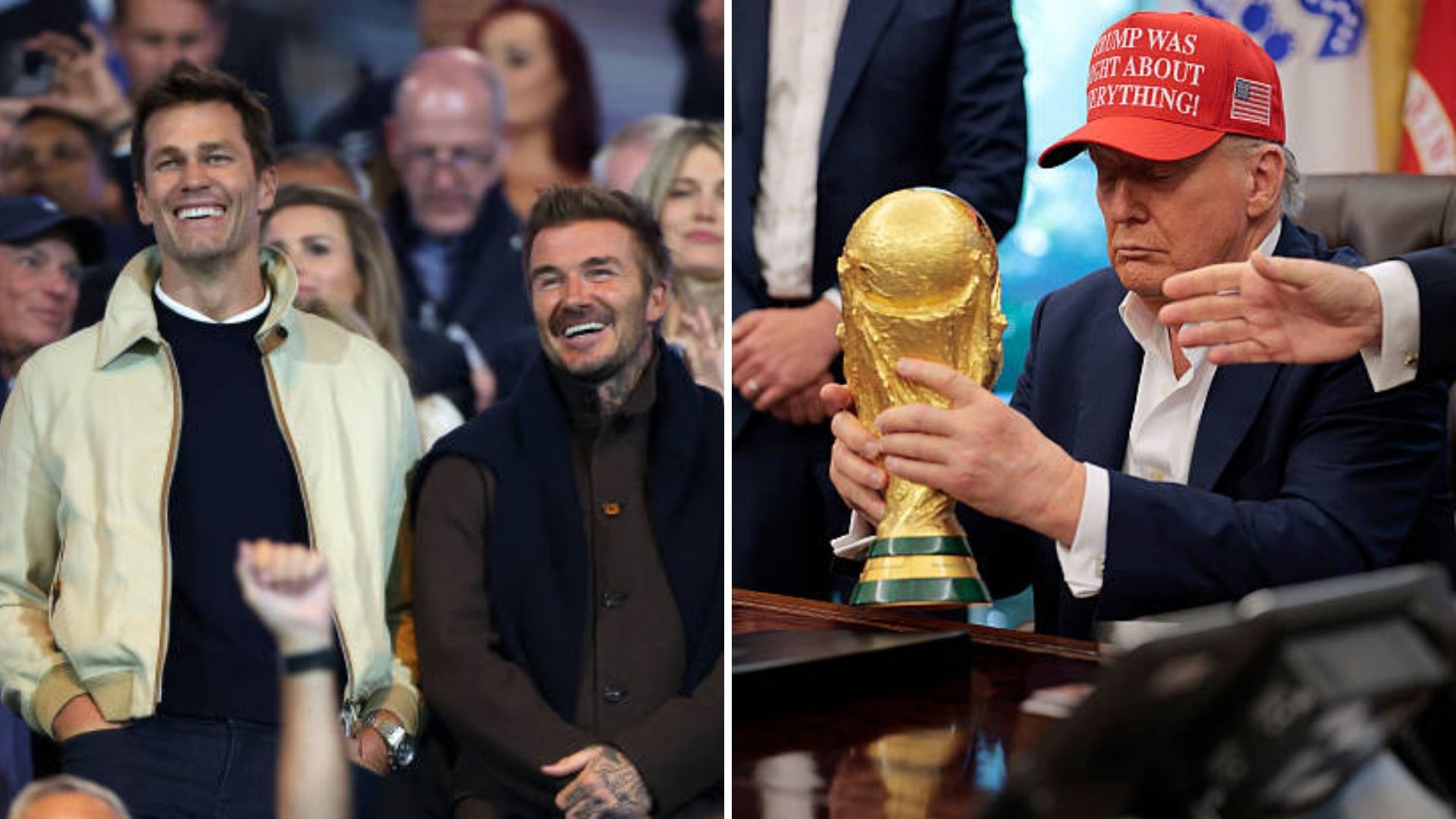
Then came Tom Brady, investing in Birmingham City, bringing his seven Super Bowl rings and star power to the English Championship.
Once upon a time, Americans wanted to buy football clubs. Now, Donald Trump has the World Cup trophy in the Oval Office.
From European dreams to American destinations
If the boardrooms are American, the backdrops soon might be too.
Europe’s top leagues, especially La Liga and the Premier League, are constantly exploring ways to stage competitive matches in the U.S. market.
In 2025, La Liga even tried it, announcing a Barcelona vs. Villarreal match in the U.S. Fans revolted and eventually the plan collapsed with La Liga having to cancel it, as per ESPN.
But the ambition never died, because the numbers are too big to ignore.
The American audience for European football is surging, and with the 2025 Club World Cup hosted successfully in the U.S. and the 2026 World Cup coming next, it’s clear where the sport’s next frontier lies. But they do face a lot of opposition.
Top clubs have long toured the States for preseason, but soon, meaningful matches could follow. The question isn’t if, it’s when.
From underdogs to architects: America’s football moment
For all the jokes about calling it “soccer,” the U.S. has built something serious.
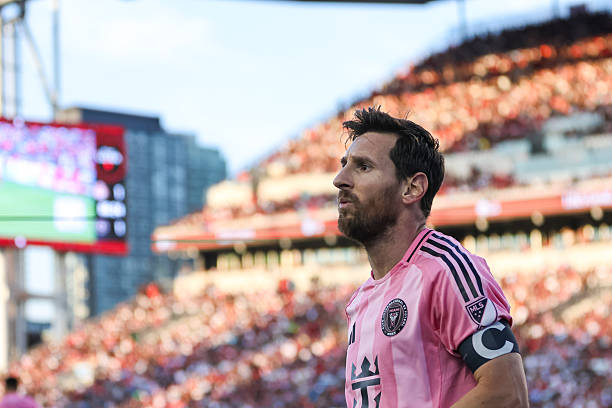
MLS has shaken off its early identity as a retirement home for aging stars and become one of the most ambitious leagues on the planet. Stadiums are full, new clubs like Inter Miami are cultural phenomena, and American players, from Christian Pulisic to Gio Reyna, are thriving across Europe.
The U.S. has infiltrated every level of the game. The European Super League may have failed, but the American model it mirrored, commercialized, global, star-driven, is alive and kicking.
Football’s center of gravity is shifting and the U.S. is at the heart of it.
Conclusion: The Game Goes Hollywood
It began as a trickle of investment and curiosity. Now, it’s a tidal wave of influence, money, and media.
American owners are reshaping club football, American cities are hosting world tournaments, and American storytelling is turning underdogs into global icons.
For decades, football belonged to Europe. In 2025, it still does, but with a distinctly American accent.