Arsenal
From Ferguson to Arteta: how club football learned to sideline the international game

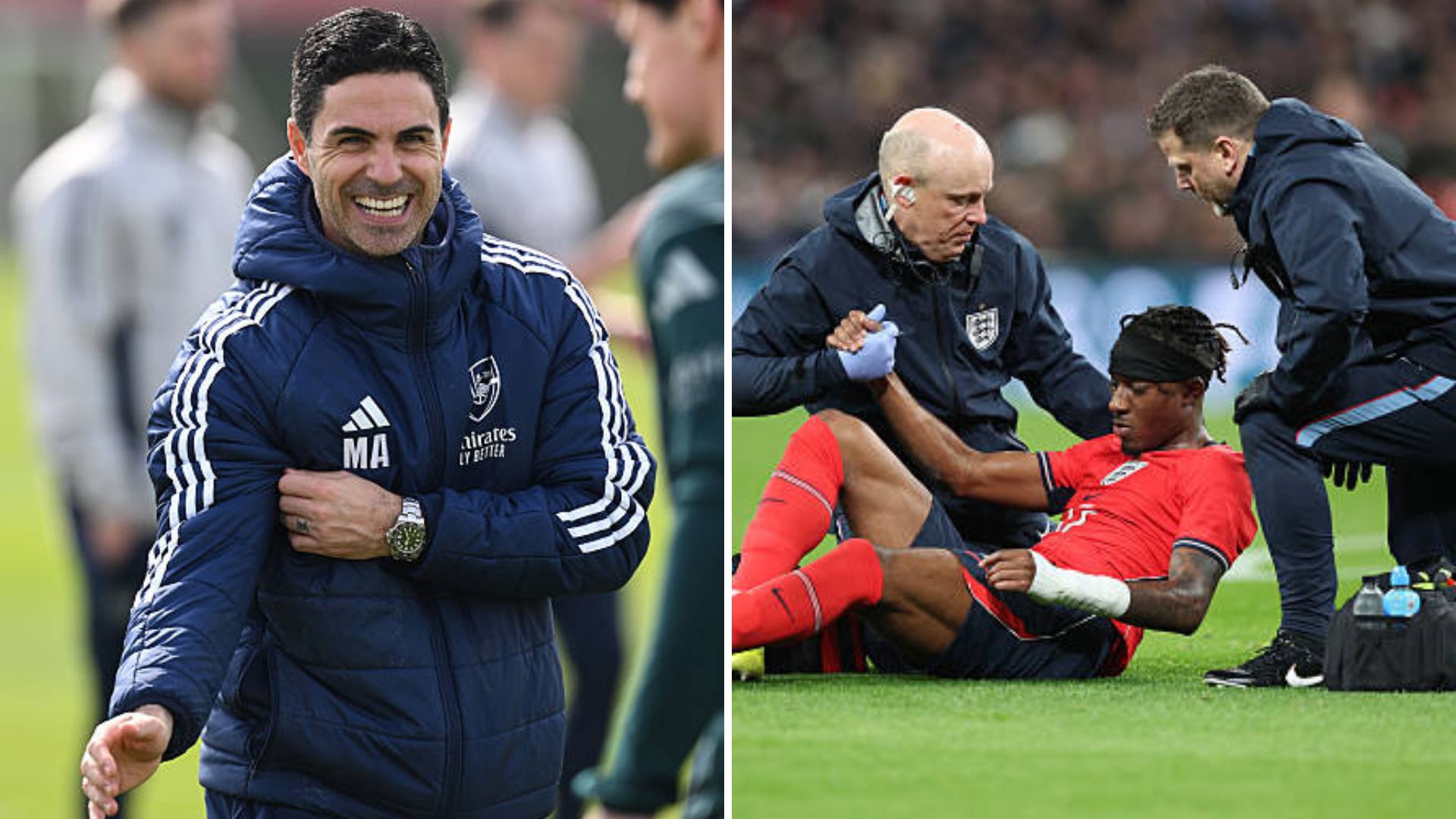
Arsenal have withdrawn 11 players from international duty this week, with Mikel Arteta prioritising the treble chase over national team commitments. It’s a bold call, and one that has drawn comparisons to a manager who made this move an art form.
Bukayo Saka, Declan Rice, William Saliba, Gabriel, Leandro Trossard, Eberechi Eze, Jurrien Timber, Nuno Tavares, Kieran Tierney, Piero Hincapie and Martin Zubimendi have all been pulled back or blocked from travelling.
For their respective national teams, it is a significant blow. Yet for Arteta, the logic is straightforward. Arsenal sit on the cusp of a historic treble and in that context, releasing key players to international friendlies feels, to him at least, like an unnecessary gamble.
Arteta is playing Alex Ferguson’s game and it deserves the same scrutiny
Gary Lineker put it plainly on The Rest is Football, suggesting Arteta is “playing a Sir Alex Ferguson role here.” It is an apt comparison and not entirely a flattering one for either manager.
Ferguson perfected the art of protecting players from international duty during his tenure at Manchester United. He did it ruthlessly, consistently, and with zero regard for inconvenience caused to national team managers. Over time, it became accepted as simply the Ferguson way.
The problem is that acceptance normalised something that was always questionable. Arteta is now following that same playbook. And just as with Ferguson, the club-first logic is understandable on one level. These are his players, his season, his potential legacy.
Nevertheless, accepting this behaviour without scrutiny simply because a legendary manager did it first sets a troubling precedent. If Arsenal can withdraw 11 players in one international window, what stops every other ambitious club doing the same?
At what point does international football become an afterthought for the continent’s biggest clubs? The players themselves rarely speak publicly on the matter. However, it is worth remembering that international football remains the pinnacle for many of them.
Fixture congestion is the real villain: Arteta is just the latest to expose it
It would be unfair, however, to place the blame entirely at Arteta’s door. The Premier League calendar in 2025/26 is relentless. A club chasing a treble in late March is already operating at the absolute limit of its squad’s physical and mental capacity.
Asking those same players to then travel internationally for friendlies is, genuinely, a significant ask. This is the inevitable consequence of a calendar that has been stretched beyond its limits by competing commercial interests of FIFA, UEFA and the Premier League.
The expanded Champions League, the new Club World Cup, and an already congested domestic schedule have collectively created a situation where something has to give. More often than not, it is international football that loses out.
Until governing bodies sit down and honestly confront the fixture pile-up they have created, managers like Arteta will keep making these calls. He is not the architect of this problem.
But by following Ferguson’s lead so brazenly, he is accelerating a culture that risks hollowing out international football at the highest level. That is worth being critical about, regardless of whether Arsenal win the treble.