Opinions & Analysis
Three African hearts broken in 24 hours: Then their conquerors said the quiet part out loud

Last Updated on 2 July 2026
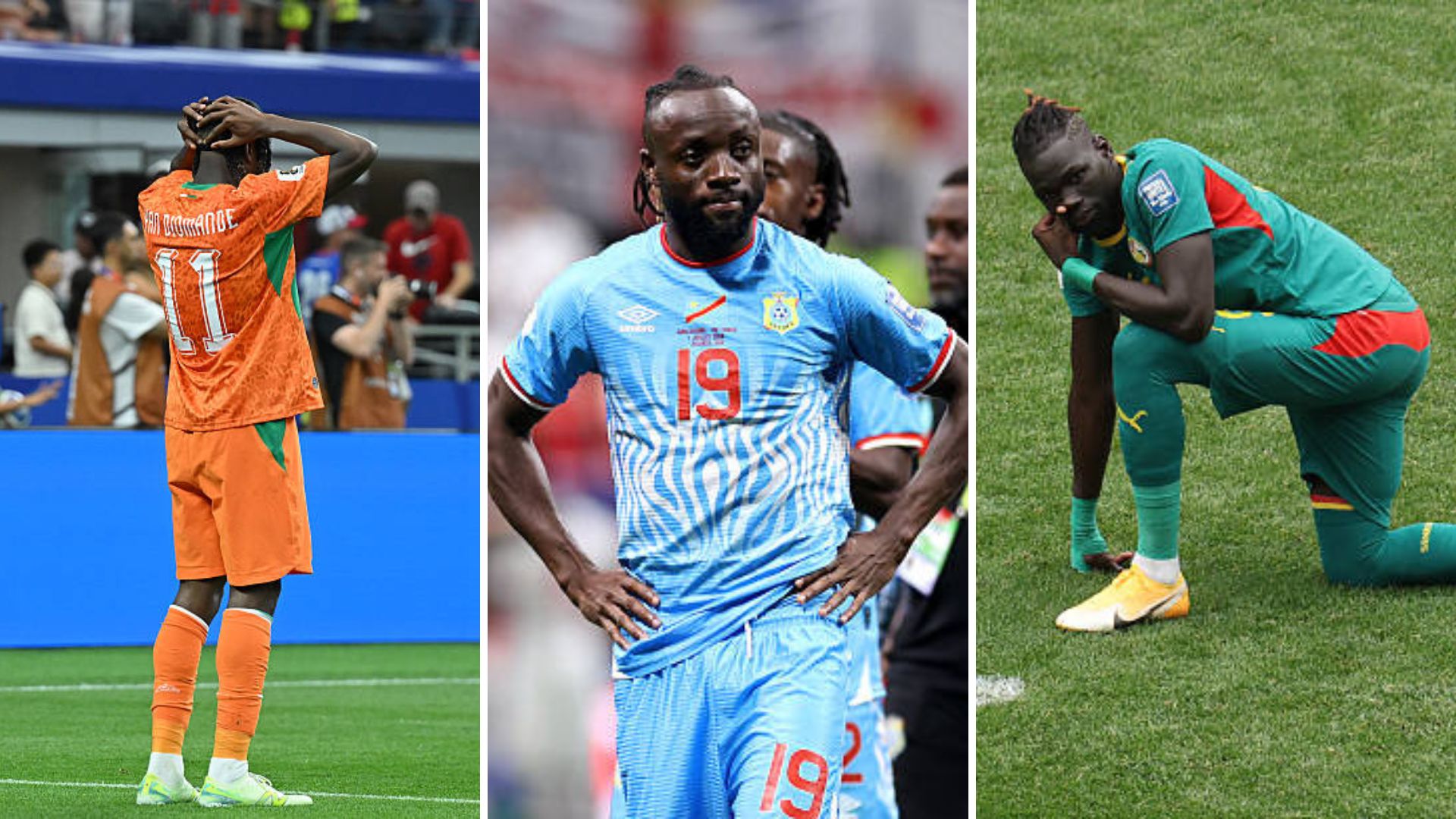
Tuesday and Wednesday at this World Cup will be remembered as a brutal stretch for African football. In less than 24 hours, three of the continent’s most storied nations were eliminated: each one by a late goal they should have survived.
And then, before the dust had even settled, one European manager stood at a microphone and said exactly what too many people in the sport have always quietly believed. In a tournament where European teams have struggled, so far.
But for Africa, and most recently for Senegal, the World Cup served up a horrorshow.
Three late goals, three broken dreams in the World Cup
It started in Arlington on Tuesday evening, where Ivory Coast took on Norway knowing a win would send them into the quarter-finals. The Elephants fell 2-1 to Norway, with Erling Haaland scoring a late winner. Amad Diallo had dragged them level and given a nation hope.
Only for Haaland, who barely had a sniff for large stretches, to punish them in the dying minutes. Emerse Fae, the Ivory Coast coach, was devastated but measured afterward: “Maybe we lacked a bit of maturity,” he said.
The next morning, England produced a comeback against DR Congo, who had taken an early lead through Brian Cipenga before Harry Kane levelled in the 75th minute with a header, then won it with a twisting strike in the 86th minute.
DR Congo had defended with intelligence and structure for over an hour, making England look rattled and disorganised. They came within four minutes of the greatest result in their nation’s history. The late goal destroyed them.
Then came the most agonising of the three. Senegal led Belgium 2-0 before Romelu Lukaku and Youri Tielemans dragged the Red Devils level in extra time, before a controversial penalty was awarded in the dying embers and Tielemans drilled it home for a 3-2 win.
Rudi Garcia said “these teams” and the world heard it
Then Rudi Garcia stepped up. Asked to reflect on the manner of Belgium’s victory, he offered an analysis that revealed rather more than he intended. “We know these teams,” he said, as per Mediaset. “They lose their tactical structure towards the end of the match.”
He continued. “We knew that at 2-0 they would do everything to protect their goal. And that, in my opinion, is a big mistake. After Lukaku’s goal, the game changed; in the end, it was nice to score in stoppage time from a penalty that was absolutely deserved.”
“These teams.” Not Senegal, not the Lions of Teranga, not this ‘specific opponent’. These teams. As if African nations are a category, a type: predictable, structurally limited, knowable in a way that European sides never are. The remark barely registered in Belgian coverage.
On African social media, it spread immediately. Garcia is entitled to his tactical analysis. He is entitled to praise his players. But the framing matters enormously.
More so, in a tournament where African fans have been priced out by visa bonds, where nations have been denied entries and travel, where the continent’s teams have repeatedly outperformed expectations only to fall to late drama.
The reduction of Senegal to “these teams” felt like the ugliest possible full stop on a very painful 24 hours. Three African nations lost. They lost narrowly, in the final moments and they deserved considerably better from the reaction.




