Off The Pitch Gossips
Controversy is the World Cup’s Shadow: From Maradona’s hand to 2026’s wild ride

People talk about the World Cup as football’s purest spectacle. They are not entirely wrong. They are also not entirely right.
Because running alongside every iconic goal and historic upset is a parallel story: one of fixes, cheats, unconscious defenders, VAR rows, banned players and diplomatic incidents.
The World Cup 2026 edition has already been extraordinarily chaotic. But it has nothing on what came before.
5. The Battle of Santiago – 1962
Italy and Chile should have played football. Instead, they produced what commentator David Coleman called “the most stupid, appalling, disgusting and disgraceful exhibition in the history of the game.” The match featured mass brawling, two red cards, and a police intervention.
Italian midfielder Giorgio Ferrini refused to leave the pitch after his dismissal and had to be physically dragged off by officers. Chile won 2-0 amid the carnage. FIFA did nothing. Nobody was surprised.
4. The Disgrace of Gijon – 1982
West Germany and Austria engineered one of the most transparent results in tournament history. They needed to beat Austria by no more than two goals for both sides to advance at Algeria’s expense. West Germany scored in the 10th minute.
Then both teams spent 80 minutes going through the motions, neither pressing for another goal, while Algerian fans in the stadium waved banknotes in disgust. The German manager was unashamed afterward: “We wanted to progress, not play football.”
FIFA responded by mandating simultaneous final group-stage matches going forward: a rule still in place today.
3. Schumacher’s Assault – 1982
The same tournament produced something genuinely criminal in the semi-final between West Germany and France. Goalkeeper Harald Schumacher sprinted off his line and launched himself into French defender Patrick Battiston, who was racing through on goal.
The collision was ferocious. Battiston lost two teeth, cracked three ribs and damaged vertebrae. He was briefly unconscious on the pitch, requiring oxygen. No foul was given. Schumacher took the resulting goal kick. West Germany progressed.
Battiston, who came within inches of being killed, received no justice whatsoever. It remains one of the most scandalous non-decisions in sporting history.
2. Argentina vs Peru – 1978
Argentina needed to beat Peru by at least four goals to reach the final of a World Cup hosted by Argentina’s own military dictatorship. They won 6-0. Peru’s goalkeeper was born in Argentina. Years later, a Peruvian senator alleged the match was fixed following a trade deal.
The Argentine military regime had transferred 35,000 tonnes of grain to Peru and unfrozen a $50 million credit line. Evidence? Circumstantial. Suspicious? Extraordinarily. Whether or not the result was arranged, the entire episode remains one of football’s uncomfortable questions.
1. The Hand of God – 1986
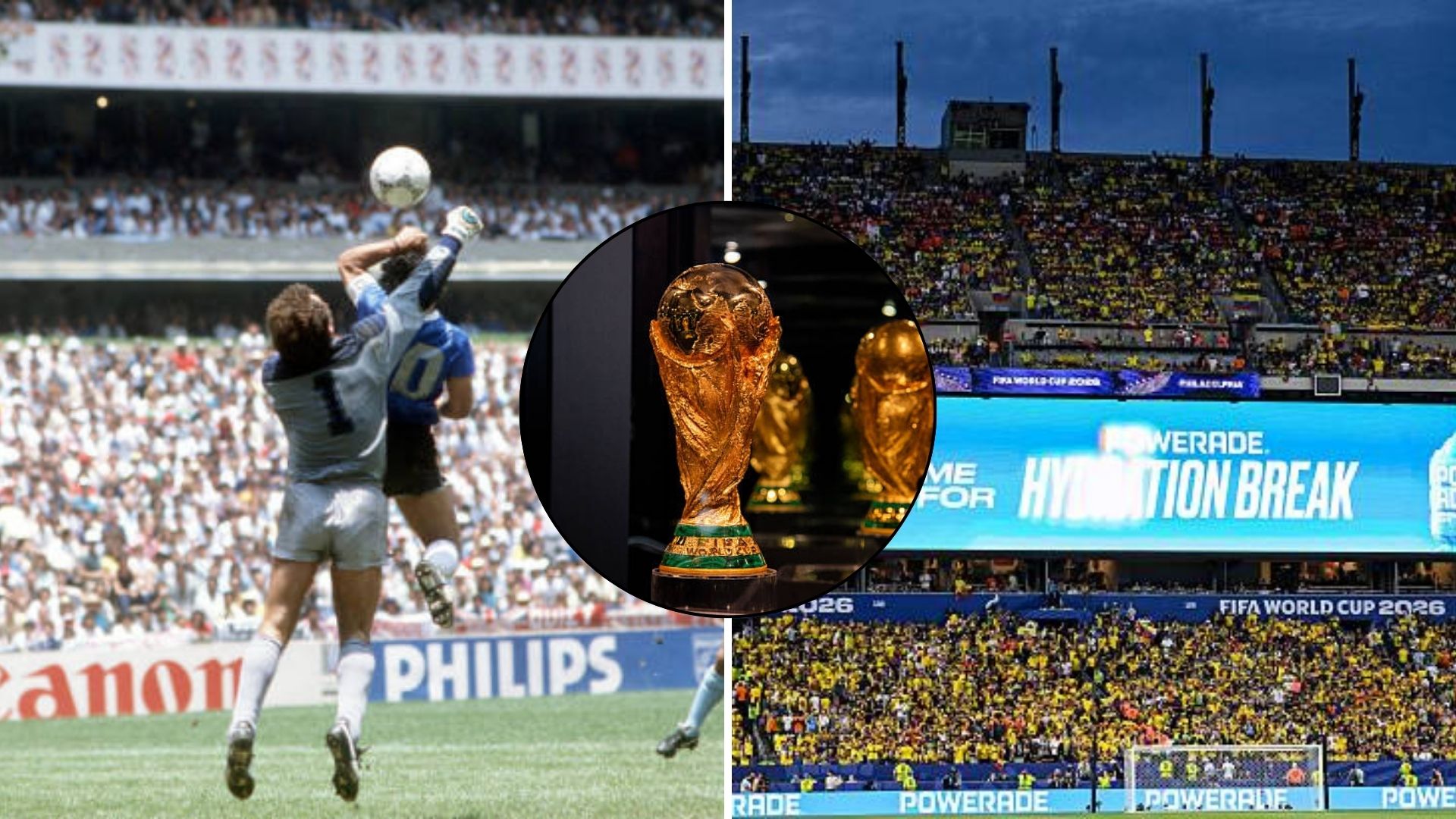
Nothing tops it. In the 1986 World Cup quarter-final, four years after the Falklands War, Diego Maradona punched the ball into England’s net with his left hand in the 51st minute. The referee awarded the goal. Maradona celebrated. England’s players protested furiously.
“It was scored a little with the head of Maradona and a little with the hand of God,” he said afterward. Then, he scored what is still considered the greatest individual goal in the history of the sport, dribbling past five outfield players and Peter Shilton from near the halfway line.
The duality of genius and infamy, perfectly condensed into eight minutes of football.
2026 has already made its bid for the ages
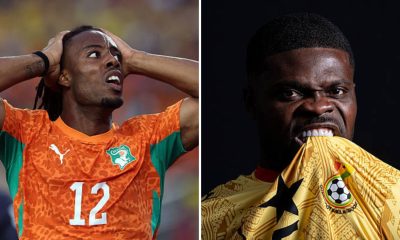
In under two weeks, the current tournament has produced enough controversy to fill its own chapter. Thomas Partey was denied entry to Canada while facing seven rape charges then it emerged he had falsely declared on his visa application that he faced no criminal charges.
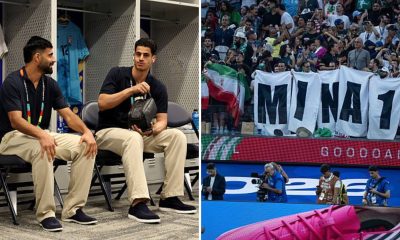
Elye Wahi was denied entry to Canada while under investigation for alleged match-fixing in France. A Somali referee was denied entry to the United States entirely. An Australian official was investigated after flashing a gesture associated with white nationalist groups on television.
FIFA cleared him after finding no breach of its disciplinary code. The opening match produced three red cards, the most in a World Cup game since 2006. In only 27 matches, 2026 has already issued more red cards than the entire 2018 and 2022 tournaments combined.
Ismael Kone suffered a broken leg live on television after a challenge initially deemed too innocuous for a red card until VAR intervened. A Canada-Qatar post-match brawl followed. Visa bonds kept families of players from attending. Iran’s team has been treated horribly.
A fake Instagram comment triggered a feud between the families of Portugal’s squad. FIFA has introduced “hydration breaks” and it’s not even that hot. Money grabbing from Donald Trump and FIFA is undeniable. All this, and we’re still only a second week into the World Cup 2026.