Manchester United
Mother knows best? Inside the failed transfers and burned bridges of the Rabiot dynasty

Last Updated on 26 February 2026
In elite football economy, agents chase leverage and clubs chase value. Veronique Rabiot’s always chased something else: control. Acting as both guardian and negotiator for Adrien, she turned maternal protection into a hard-edged business doctrine.
Rabiot’s career has never lacked pedigree. A rangy, left-footed midfielder with tempo and reach, he has played for giants and lifted major trophies. Yet the moves that never happened, especially to England, have defined his market story as much as those that did.
For sporting directors across Europe, one phrase became shorthand for collapse risk: the “Rabiot deal.”
How Manchester United learned about the ‘Rabiot tax’
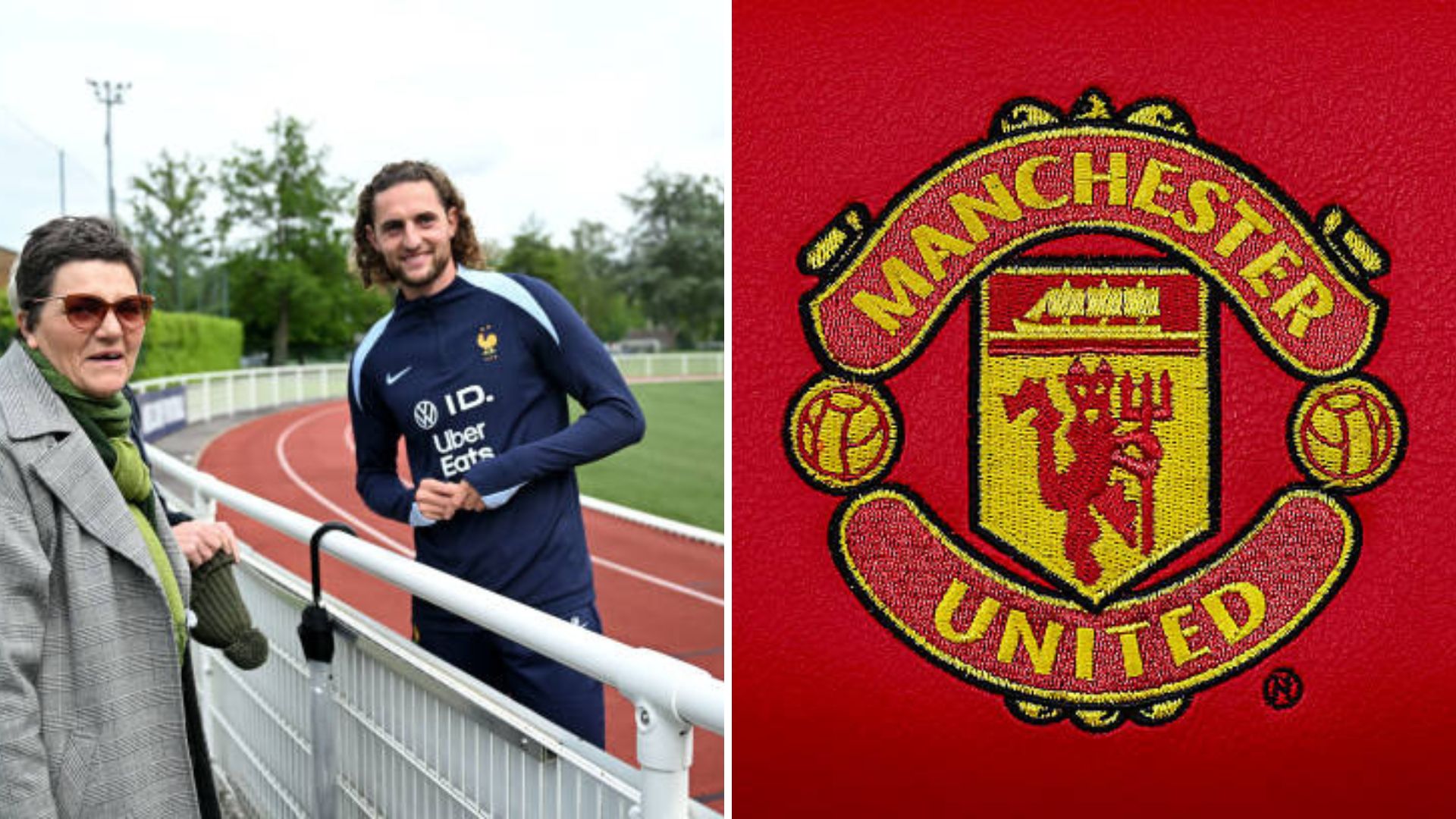
The clearest rupture came in 2022. Manchester United had agreed a modest fee with Juventus to reinforce midfield for Erik ten Hag. Structurally, the transfer was solved. Everyone was on board. Everyone, except Veronique.
Personal terms detonated it. Rabiot’s camp pushed for a salary above €10m plus heavy signing bonus. United, still detoxing from the post-Ferguson wage spiral, recalibrated. She interpreted the revision as disrespect; talks froze despite director John Murtough travelling to Turin.
English coverage framed greed. Her framing was hierarchy: a giant club attempting to underpay a proven international. The deal died in that gap between valuation and dignity.
Tier-one or nothing: Spurs, PSG limbo, and Marseille reality
The Premier League tension predated United. In 2018, while Adrien was exiled at Paris Saint‑Germain for resisting renewal, and a number of Premier League clubs explored a move.
Tottenham Hotspur, as per SI, explored a rescue for the French talent. By multiple reports, however, Veronique dismissed Spurs as beneath her son’s tier.
That absolutism became pattern. Barcelona or Real Madrid were acceptable; compromise was not. The cost was stasis: reserve-team months in Paris, then prolonged free-agent stretches later.
When he ultimately signed for Olympique de Marseille in 2024, observers read it as a climbdown from years of elite gatekeeping.
Burned bridges and the hidden “Rabiot tax”
Veronique’s influence has reached beyond contracts into dressing-room ecology. She confronted coaches’ camps, from Laurent Blanc to relatives around Didier Deschamps, over role and minutes. She didn’t just negotiate environments; she tried to curate them.
Clubs had to adapt. Some walked early citing “commission fatigue.” Others shaved bids anticipating friction. Sooner or later, almost every club in Europe was wary of dealing with the Rabiots and it was mainly down to the mother than anyone else.
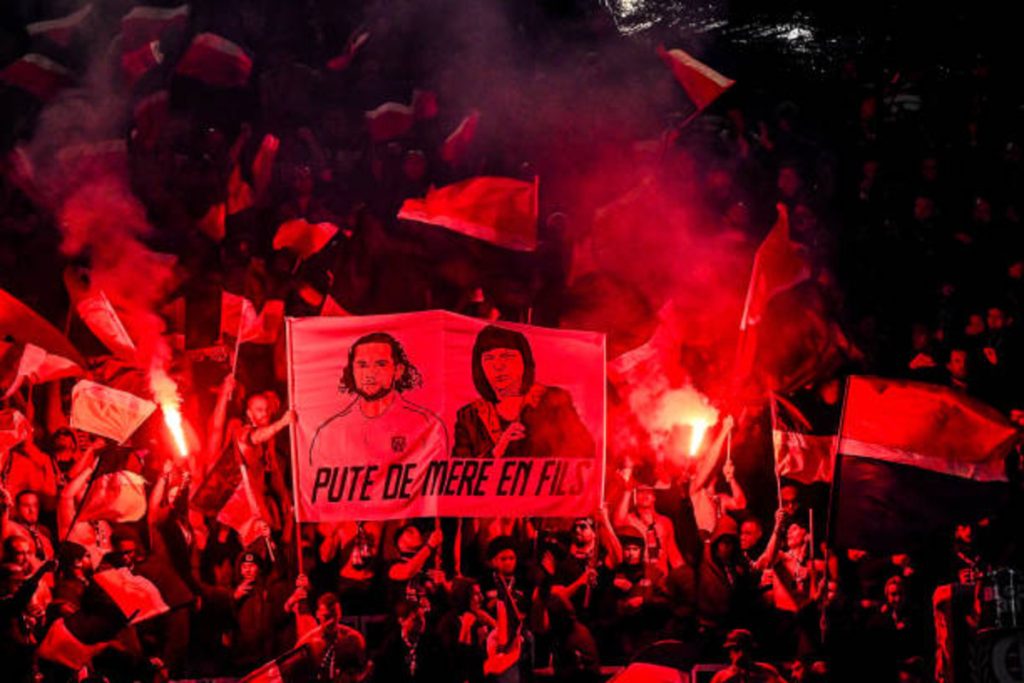
Thus emerged the informal surcharge: the ‘Rabiot tax’, risk premium applied to talent carrying off-pitch volatility. The paradox endures, even now. Adrien is decorated and tactically astute, yet England remains unworn territory. Even fans don’t want anything to do with the Rabiots.
Unfortunately for Rabiot and the Premier League, his absence isn’t about ability. It’s about an uncompromising doctrine that prioritizes status over access. For Veronique, the objective was never Premier League entry, it was sovereign recognition: her son treated as royalty.




