Champions League
Chelsea dressing room unrest of 2012 and why sacking the manager worked wonders

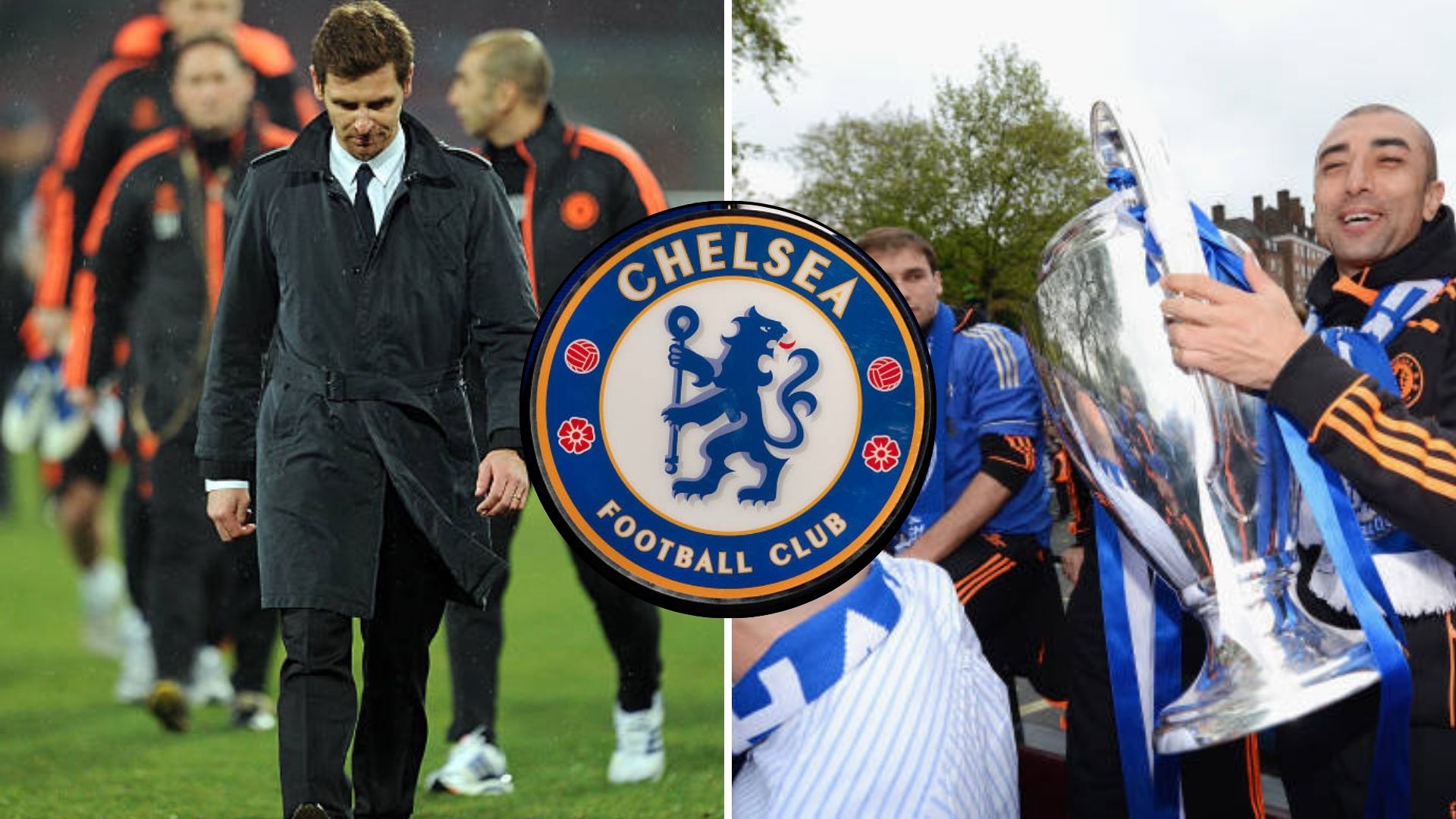
Football clubs often talk about long-term projects and tactical revolutions. However, sometimes, a season turns not on strategy boards but on the mood inside a dressing room.
Chelsea’s 2011/12 campaign became the clearest example of that truth. What began as a bold attempt to modernise the team quickly spiralled into one of the most famous player-manager clashes in Premier League history.
Yet out of that chaos came something extraordinary. Within months of the rebellion reaching breaking point, Chelsea lifted the Champions League for the first time in their history.
Andre Villas-Boas, the high line and the dressing room revolt
When Andre Villas-Boas arrived at Stamford Bridge in 2011, he carried enormous expectations. The young Portuguese coach had just guided Porto to a dominant treble and was widely seen as the next great tactical innovator.
His plan at Chelsea was clear: introduce a high defensive line, increase attacking intensity and gradually move on from the club’s legendary core of John Terry, Frank Lampard and Didier Drogba. But the vision clashed immediately with reality.
Chelsea’s veteran defenders struggled to operate in the aggressive defensive setup, repeatedly leaving space behind the back line. At the same time, Villas-Boas’ willingness to bench key leaders unsettled the dressing room hierarchy that had defined the club’s success for years.
Results quickly deteriorated. More importantly, trust between manager and players collapsed. Reports emerged of senior figures openly questioning tactics, while Lampard later admitted, via BBC Sport, his relationship with Villas-Boas “hadn’t been ideal.”
The breaking point came after a 3-1 Champions League defeat to Napoli, where Lampard and Ashley Cole had been left out of the starting lineup. Within weeks, Chelsea’s hierarchy pulled the trigger. Villas-Boas was dismissed in March 2012 after poor results in league and Europe.
Roberto Di Matteo’s reset and the road to Munich
Chelsea replaced Villas-Boas with Roberto Di Matteo, initially as a caretaker manager. Instead of pushing forward with a tactical overhaul, the Italian took a radically different approach. He restored the structure that had previously made Chelsea so formidable.
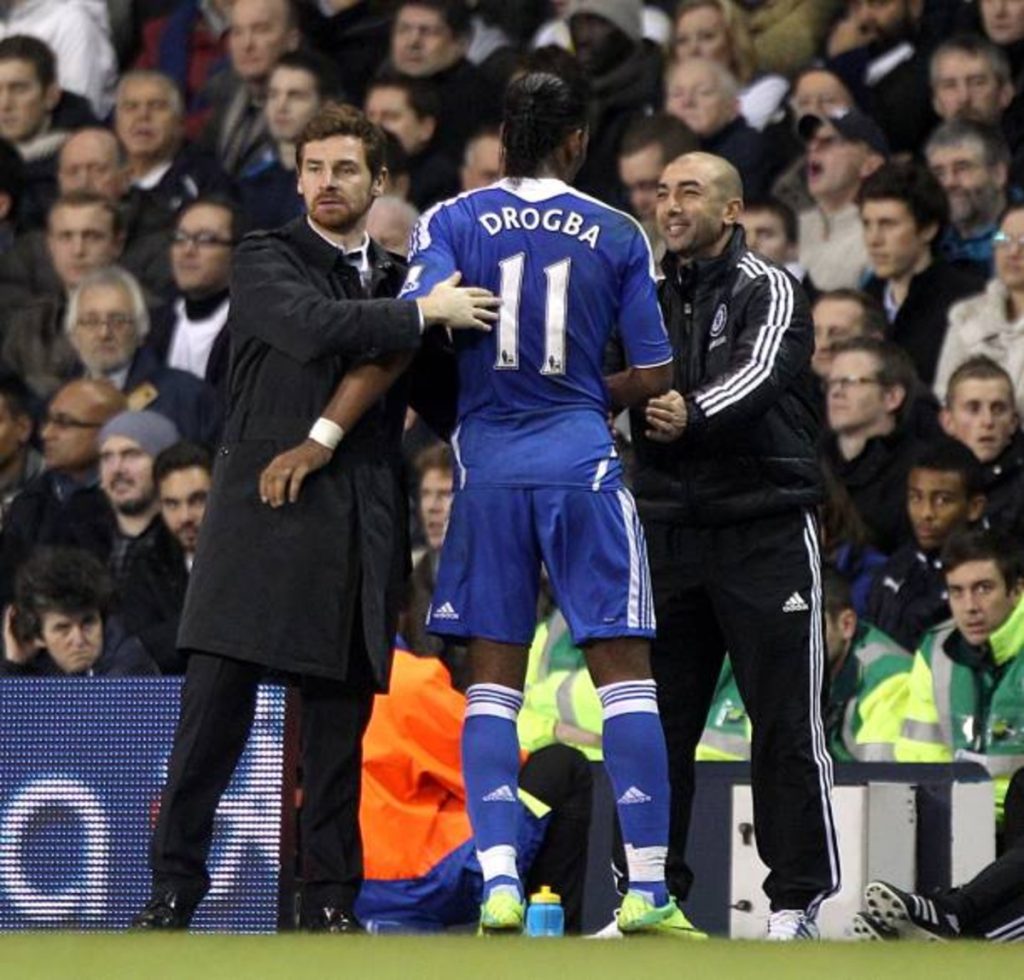
Lampard returned to midfield leadership, Terry commanded the defense and Drogba once again led the attack. Just as importantly, he abandoned the risky high line and reinstated the ‘Blue Wall’ built around discipline and counterattacks defining Chelsea’s identity.
The impact was immediate. Chelsea overturned their deficit against Napoli at Stamford Bridge, then produced one of the most famous defensive performances in Champions League history against Barcelona at Camp Nou.
The final in Munich delivered the ultimate payoff. With Bayern Munich dominating on their home ground, it was Drogba, the very player Villas-Boas had tried to phase out, who scored the dramatic late equaliser and converted the decisive penalty in the shootout.
What began as a season of tactical civil war ended with Chelsea lifting the Champions League. And in doing so, the club produced one of football’s most remarkable lessons: sometimes, fixing a team doesn’t require changing the players, it requires changing the manager.