Liverpool
Multi-club ownership plans shelved by Liverpool’s owners FSG: Uncertainty over future looms

Last Updated on 20 March 2026
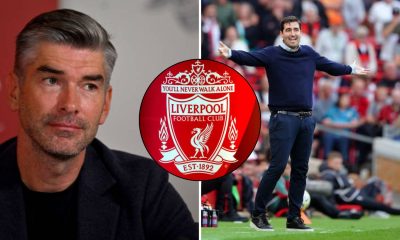
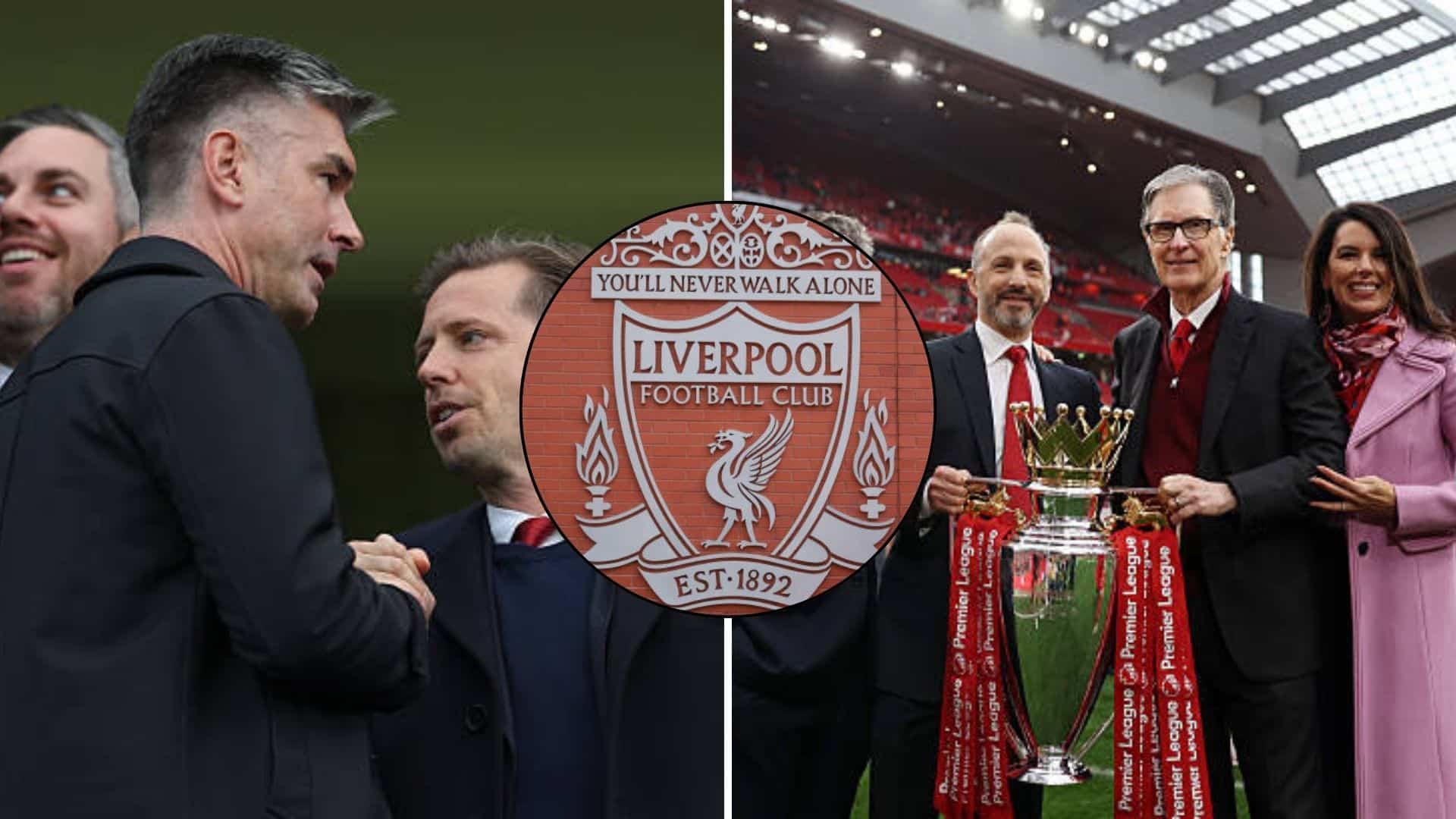
Liverpool’s owners, Fenway Sports Group, had revealed their intentions of buying a new football club in 2024. In fact, plans for those future acquisitions were the prime reason behind Michael Edwards’ return to Anfield as chief executive.
However, according to the latest reports, FSG are not planning on adding a second football club to their portfolio. They have also decided not to pursue a deal for a new NBA team, taking themselves out of the running for the Las Vegas franchise.
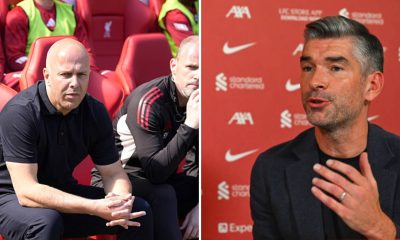
What does this pivot mean for Liverpool and where does that leave Michael Edwards, Richard Hughes, and could it signal a major behind-the-scenes shake-up?
FSG shelve multi-club plans despite extensive groundwork
Fenway Sports Group had made their intentions clear in 2024. They wanted to expand. More specifically, they wanted to follow the growing trend of multi-club ownership: a model designed to create competitive and financial advantages across football operations.
That vision played a major role in bringing Michael Edwards back to Anfield. Both Edwards and FSG leadership openly spoke about acquiring another club as a key step in Liverpool’s evolution.
Behind the scenes, the groundwork had already begun. 25 clubs were assessed, with names like Bordeaux, Malaga and Getafe all explored as potential options. At the time, the message from within the club was clear. Expansion wasn’t optional, it was necessary to stay competitive.
But now, that entire strategy has been shelved.
According to The Athletic, FSG have paused all multi-club ambitions indefinitely, with no indication that plans will be revived anytime soon. The decision also aligns with their withdrawal from bidding for a new NBA franchise in Las Vegas.
Despite this pivot, FSG still maintain a strong portfolio across sports, including the Boston Red Sox, Pittsburgh Penguins, RFK Racing and Boston Common Golf. However, the key question remains: if expansion is off the table, what is the long-term plan for Liverpool?
Leadership uncertainty raises questions over Slot, Hughes and FSG’s future
The timing of this decision adds another layer of concern. Richard Hughes, the club’s Director of Football and a central figure in Liverpool’s recent recruitment strategy, has been heavily linked with a move to Al Hilal.
Reportedly, they are confident of securing his services. If Hughes departs, the uncertainty would immediately seep in. He played a major role in appointing Arne Slot, and his exit would leave the manager without the key figure who helped shape the current squad.
At the same time, results on the pitch have only intensified scrutiny. Liverpool’s inconsistent campaign and lack of clear identity have already placed Slot under pressure. Without a defined structure above him, that pressure only grows.
The situation becomes even more complex when viewed through a wider lens. Some within the game believe this shift away from expansion could signal something bigger, a potential soft reset from FSG themselves.
After all, the group openly explored selling the club back in 2022. With no multi-club model, key executives facing uncertain futures and a major cash injection on the horizon, speculation around Liverpool’s long-term ownership is beginning to resurface.
For now, nothing is confirmed. But the direction feels unclear and at a club like Liverpool, uncertainty at the top rarely stays contained for long.