Off The Pitch Gossips
53 minutes of infamy: How Ali Dia conned the Premier League

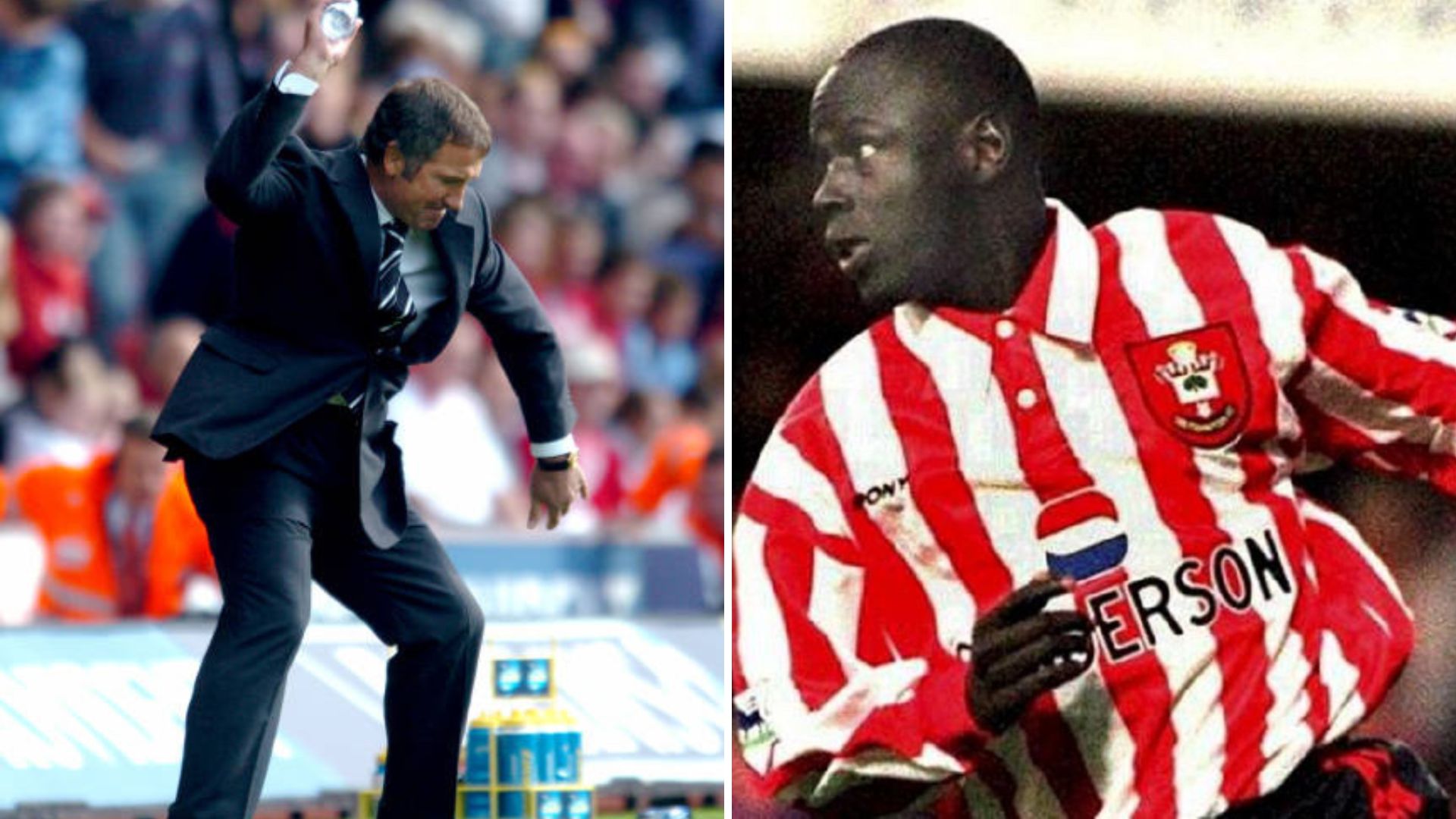
The Premier League has seen its fair share of flops, cult heroes, and bizarre transfers, but nothing quite like this.
Because every now and then, football produces a story so outrageous, so unlikely, that it almost feels fictional. A moment where the system fails, the spotlight exposes everything, and one decision spirals into legend.
This is one of those stories. Not of a bad signing in the Premier League, but of a player who, somehow, was never meant to be there in the first place.
The 14-day pro: when Ali Dia fooled Southampton, Premier League, and the system
In 1996, Graeme Souness thought he’d struck gold. A phone call, supposedly from George Weah, then the world’s best player, recommended a “cousin” named Ali Dia. The pitch was convincing: a Senegalese star, former Paris Saint-Germain player, and available for a move.
None of it was true.
With no modern scouting tools to verify the claims, Southampton took the gamble. Dia was handed a short-term deal: no trial, no background checks, just blind trust. Days later, he found himself on the bench for Southampton against Leeds United.
Then came the moment.
When Matt Le Tissier limped off injured, Dia was thrown into Premier League action. What followed has since become folklore, 53 minutes of chaos, confusion, and disbelief. He ran without purpose, struggled with the basics, and looked completely out of place.
Le Tissier later described it as watching “Bambi on ice.” By the 85th minute, Souness had seen enough. In a rare moment of managerial desperation, he substituted his substitute, ending one of the most surreal debuts in football history.
Ali Dia’s disappearance and the legacy that never left
By the next morning, the illusion had collapsed. Dia reported an injury, checked out of his hotel, and vanished, reportedly leaving behind unpaid bills and a stunned club trying to process what had just happened.
When Souness eventually reached out to the real Weah, the truth became undeniable: there was no cousin, no recommendation, no story, just one of football’s greatest cons.
Dia would briefly resurface in the lower leagues with Gateshead, but his place in history was already secured. Not as a player who failed but as one who, somehow, made it onto a Premier League pitch without ever truly belonging there.
And nearly three decades later, those 53 minutes remain unmatched, football’s ultimate reminder that sometimes, the most unbelievable stories are the real ones.