Syndication
Iran ticket chaos and Somali referee ban cast further political shadow over World Cup 2026

Last Updated on 10 June 2026
With just days remaining before the opening match on June 11, the World Cup 2026 should be generating excitement for football’s biggest spectacle.
Instead, headlines have been dominated by controversies before the World Cup. Fans have already voiced frustration over soaring ticket prices and the enormous distances teams and supporters must travel across three host nations.
Meanwhile, questions continue to emerge over stadium facilities, security arrangements and the impact of political decisions on the tournament itself. While FIFA has repeatedly promoted unity and inclusion, recent events raised uncomfortable questions about how true that is.
Somali referee ban deepens concerns over politics and participation
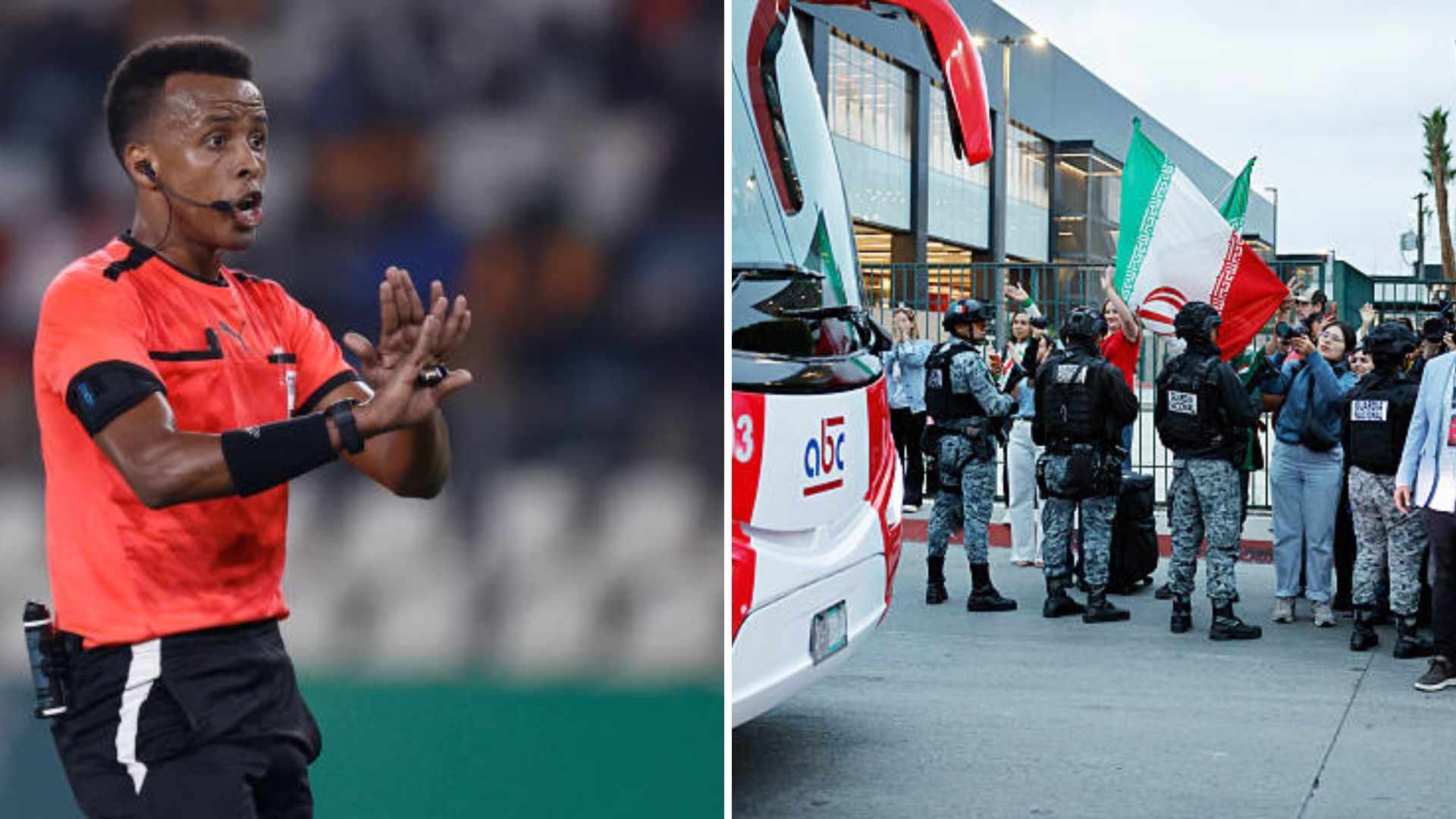
Somalian referee Omar Artan, widely regarded as one of Africa’s top officials, has been denied entry into the United States and will therefore miss the World Cup. Artan had earned his place through merit and was selected by African football authorities to officiate at the tournament.
However, US authorities determined that he was inadmissible following additional vetting procedures. FIFA acknowledged the situation but reiterated that host governments ultimately control immigration decisions, according to BBC.
Nevertheless, the incident has intensified concerns about the intersection of politics and sport. When a referee selected for football’s biggest competition cannot participate despite earning his place, questions inevitably follow.
Combined with concerns over security following recent shootings near some host venues, criticism of stadium readiness, rising accommodation costs and eye-watering travel expenses across North America, the controversy adds to an increasingly uncomfortable narrative.
Therefore, as the countdown to kickoff reaches its final hours, the greatest threat to the 2026 World Cup may not come from any team on the pitch. Instead, it may come from the political and logistical issues that continue to dominate discussion.
Iran’s World Cup journey continues to becomes a diplomatic minefield – USA is to blame
Iran’s preparations for the World Cup have been plagued by uncertainty for weeks. However, the latest development may prove the most damaging yet. The Iranian Football Federation has now revealed that its allocation of supporter tickets for the group stage has been revoked.
This is just days before the tournament begins. According to federation officials, FIFA regulations grant participating nations a percentage of tickets for distribution to their own fans. Yet Iranian fans who had purchased tickets and sorted travel now find themselves in limbo.
Furthermore, the ticket dispute is only the latest chapter in a growing list of complications. Iran previously moved its training base from Arizona to Mexico after claiming it faced difficulties operating within the United States.
In addition, several members of the team’s administrative staff reportedly failed to obtain visas. As a result, Iranian officials have openly questioned whether political considerations are influencing decisions surrounding the tournament. Their concerns are understandable.
After all, supporters expect equal treatment regardless of international tensions. Unfortunately, this creates the impression geopolitics is influencing football’s biggest stage. At a tournament designed to bring nations together, this perception damages FIFA’s credibility.