Opinions & Analysis
One rule for Messi, another for Balogun: How inconsistent officiating is leaving a mark on the World Cup

Last Updated on 2 July 2026
The USA won 2-0. Folarin Balogun scored the opener. It should have been a straightforward story.
Then Brazilian referee Raphael Claus went to the pitchside monitor in the 64th minute and changed everything.
And in doing so, handed the World Cup’s most glaring refereeing controversy yet to a tournament that has produced no shortage of them.
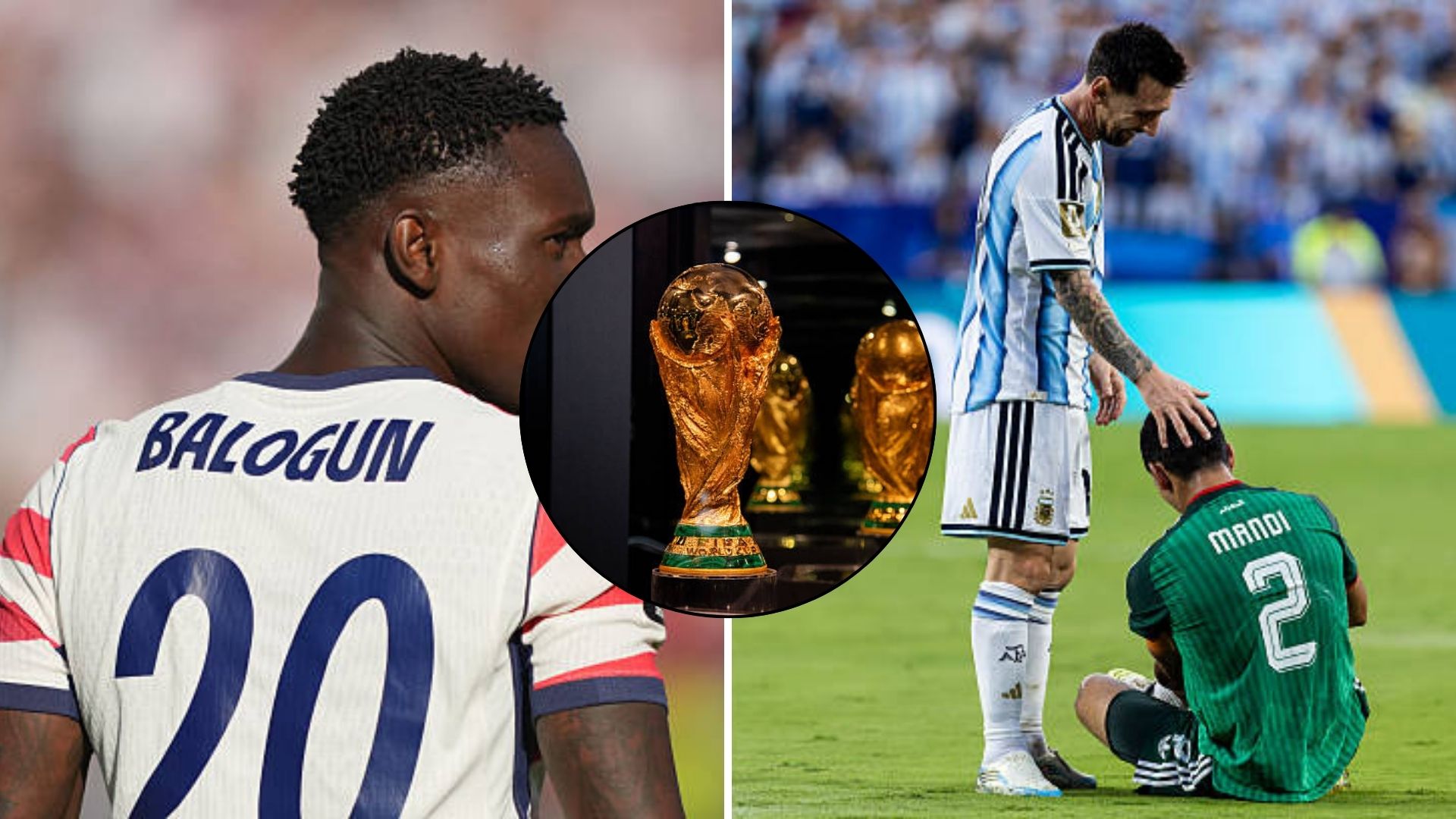
Folarin Balogun sent off for what Leo Messi wasn’t even booked for
Folarin Balogun’s straight red card came after a VAR review determined that his studs had caught Tarik Muharemovic’s ankle during a tussle for the ball. The referee Claus ignored the incident entirely before being called to the monitor and then producing the red card.
Balogun was jostling with Muharemovic and accidentally caught his Achilles rather than the turf. Commentator Sue Smith, per BBC, put it bluntly: “When it stops like that, you think one hundred per cent red card. But I think when you watch it in real time it’s really harsh.”
Pochettino was unequivocal: “For me, never is it a red card. Never was there intention to step on the player.” His captain Weston McKennie went further. “I think there’s been many other plays like that throughout the tournament on other players that a card wasn’t given at all.”
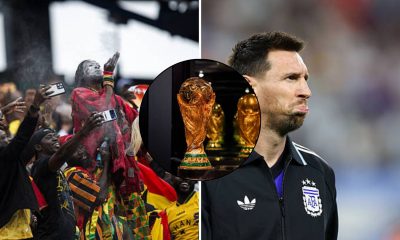
He did not need to name names. Analyst Alexi Lalas had already shared footage of Messi making a near-identical challenge against Algeria in the group stage: a challenge that did not result in a free-kick, let alone a VAR review or a card of any colour.
Inconsistent refereeing: A pattern that has run through the whole tournament
The Balogun decision is the most high-profile of many. The refereeing inconsistencies at this World Cup began accumulating from matchday one and have not slowed down.
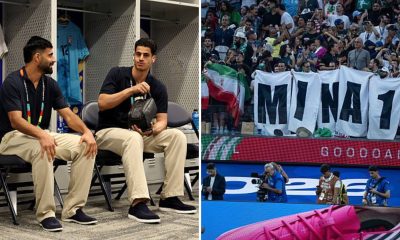
Taremi’s disallowed goal for Iran vs Belgium, the last minute offside decision vs Egypt, are all examples of tight decisions. Then, the controversial penalty awarded against Senegal in extra time against Belgium, in the dying moments, was as harsh a call as any in the tournament.
It drew fury from neutrals and Africans alike, with the contact minimal and the timing devastating. Earlier in the group stage, Assim Madibo’s red card for the challenge that broke Ismael Kone’s leg was only upgraded from a yellow after a VAR review.
Not to mention, the latter decision to actually suspend Madibo for five games, when the it was an accidental coming together rather than violent conduct. The tournament’s record red card pace is partly a product of new rules around mouth-covering and protests.
But it has also created an environment where VAR reviews feel inconsistent in what they catch and what they miss, in who they protect and who they punish. Weston McKennie said he did not know “the protocol of how they come to the conclusion.”
Neither, increasingly, does anyone watching. FIFA promised the most technically advanced World Cup in history. On current evidence, FIFA’s planning and decision-making is not keeping up.