Chelsea
The fall of Eden Hazard: Why did the Belgian’s career fizzle out after Chelsea?

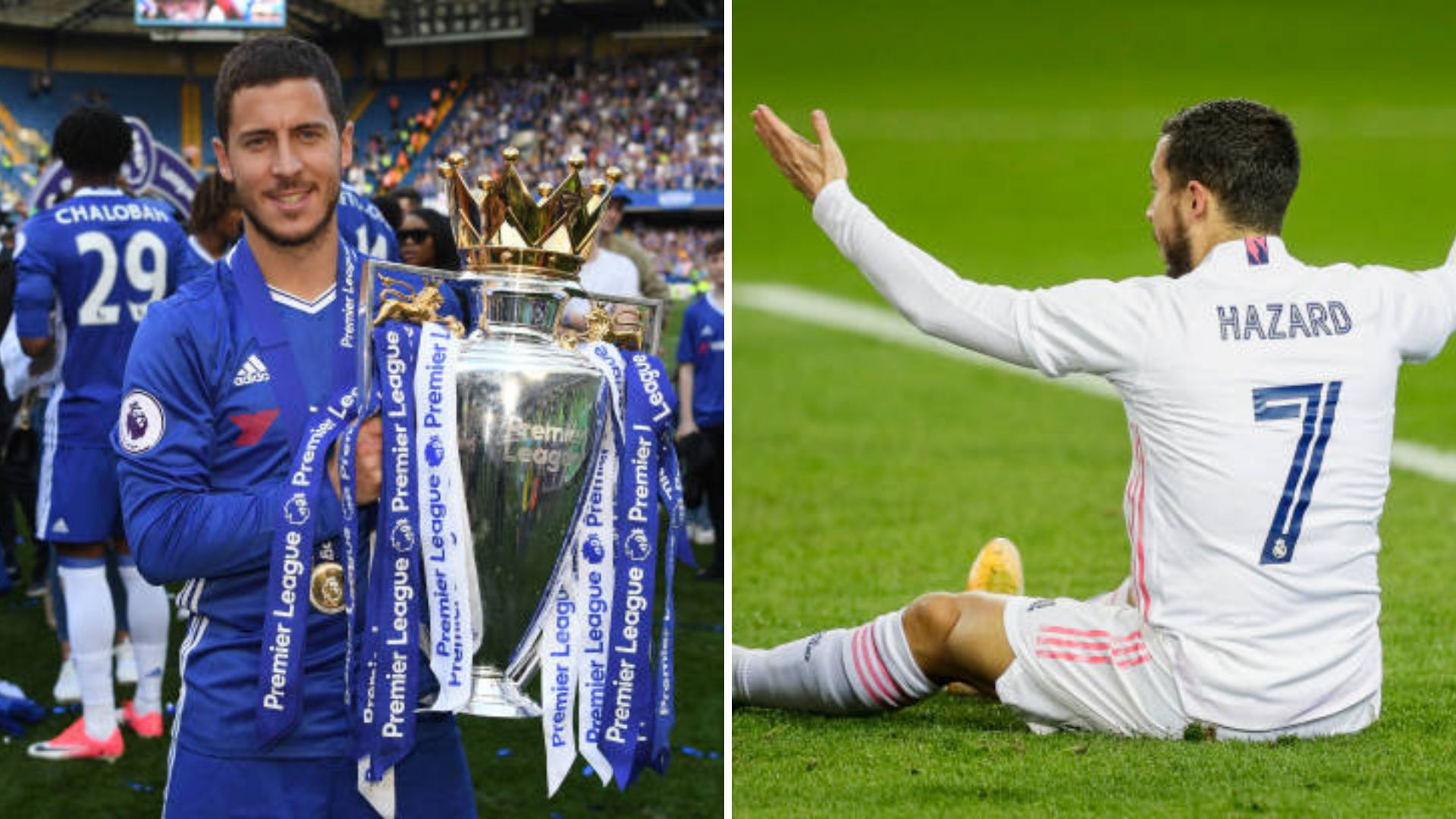
For nearly a decade, Eden Hazard was football’s ultimate cheat code. At Chelsea, the Belgian winger didn’t just beat defenders, he embarrassed them, gliding through Premier League backlines with a lazy brilliance that made the impossible look routine.
Yet when he finally secured his dream move to Real Madrid from Chelsea in 2019, the fairytale quickly turned into a nightmare.
By the time Hazard retired at just 32, the question lingered across the football world: how did one of the most electrifying talents of his generation disappear so quickly?
The Real Madrid nightmare that derailed a superstar
When Eden Hazard joined Real Madrid in 2019, the transfer was supposed to mark the beginning of a new era. Madrid had just lost Cristiano Ronaldo, and Hazard arrived at the Santiago Bernabeu Stadium as the player expected to fill that enormous void.
Instead, almost everything that could go wrong did.
The defining moment came during a Champions League clash against Paris Saint-Germain when Hazard suffered a serious ankle injury following a challenge from Thomas Meunier. The fracture triggered a brutal cycle of setbacks.
Repeated injuries, recovery setbacks, and long spells on the sidelines meant Hazard never built the rhythm needed to rediscover his Chelsea form.
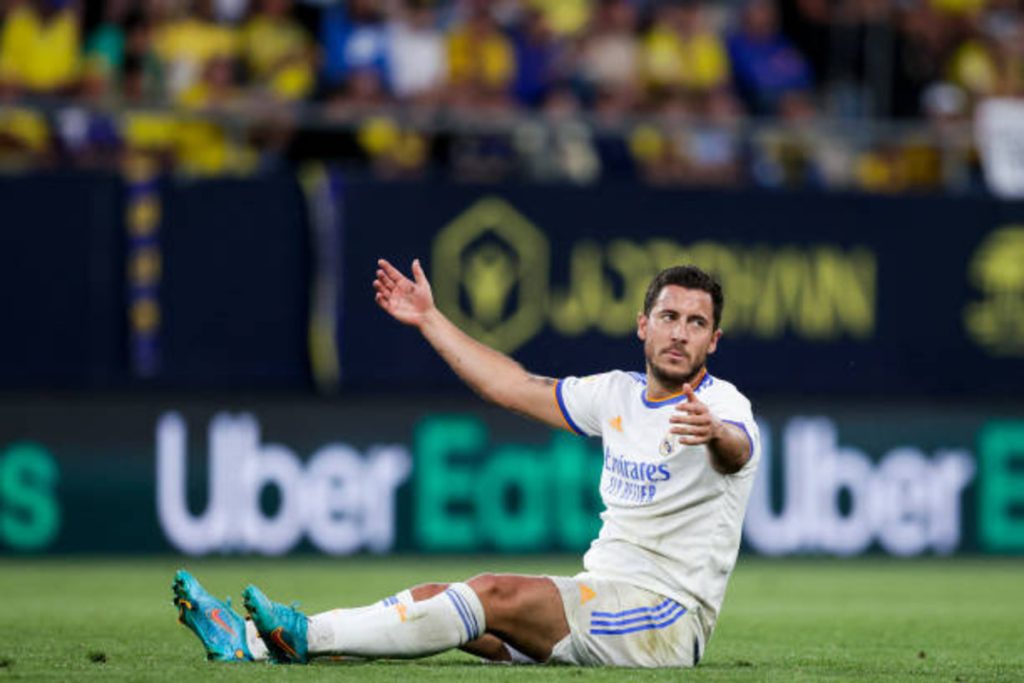
As the months passed, scrutiny grew. Questions about his fitness, his conditioning, and his ability to adapt to Spanish football followed him everywhere. Instead of becoming Madrid’s next superstar, Hazard slowly turned into one of the club’s most unfortunate what-ifs.
Eden Hazard’s joy for football disappeared
However, injuries alone do not fully explain Hazard’s sudden decline. Unlike many modern superstars, Hazard never fit the mold of the hyper-disciplined athlete obsessed with nutrition plans, recovery routines, and relentless physical conditioning.
While players like Ronaldo built their careers on meticulous self-management, Hazard played with a different philosophy. For him, football was about joy.
That carefree attitude had been his greatest strength at Chelsea. It allowed him to play with creativity, spontaneity, and flair that few defenders could handle. But once injuries began piling up in Madrid, the same mindset became a problem.
The endless rehabilitation sessions and the grind of trying to regain fitness drained the very thing that had always driven him. Eventually, Hazard reached a simple conclusion: without the joy of playing, there was no point continuing.
When he announced his retirement, as per Sky Sports, he admitted he had no desire to chase contracts in smaller leagues just to extend his career. For a player who once made football look effortless, the magic had simply run out.




