Opinions & Analysis
Are Premier League matchday experiences slowly pricing out the working-class fan?

Last Updated on 4 November 2025
For a league built on working-class roots, the modern Premier League matchday is starting to feel like a luxury product.
The chants, the pint, the cheap ticket. they’re all giving way to corporate boxes, premium seating, and triple-digit prices.
Premier League may be more global and profitable than ever, but for the fans who built it, the game has never felt further away.
The working-class fan is getting priced out rapidly
There was a time when football was the great equaliser.
Saturday afternoons meant standing on the terraces with your mates, scarf around your neck, and a pie in hand. Tickets did not cost an arm and a leg, and football felt more like a piece of identity.
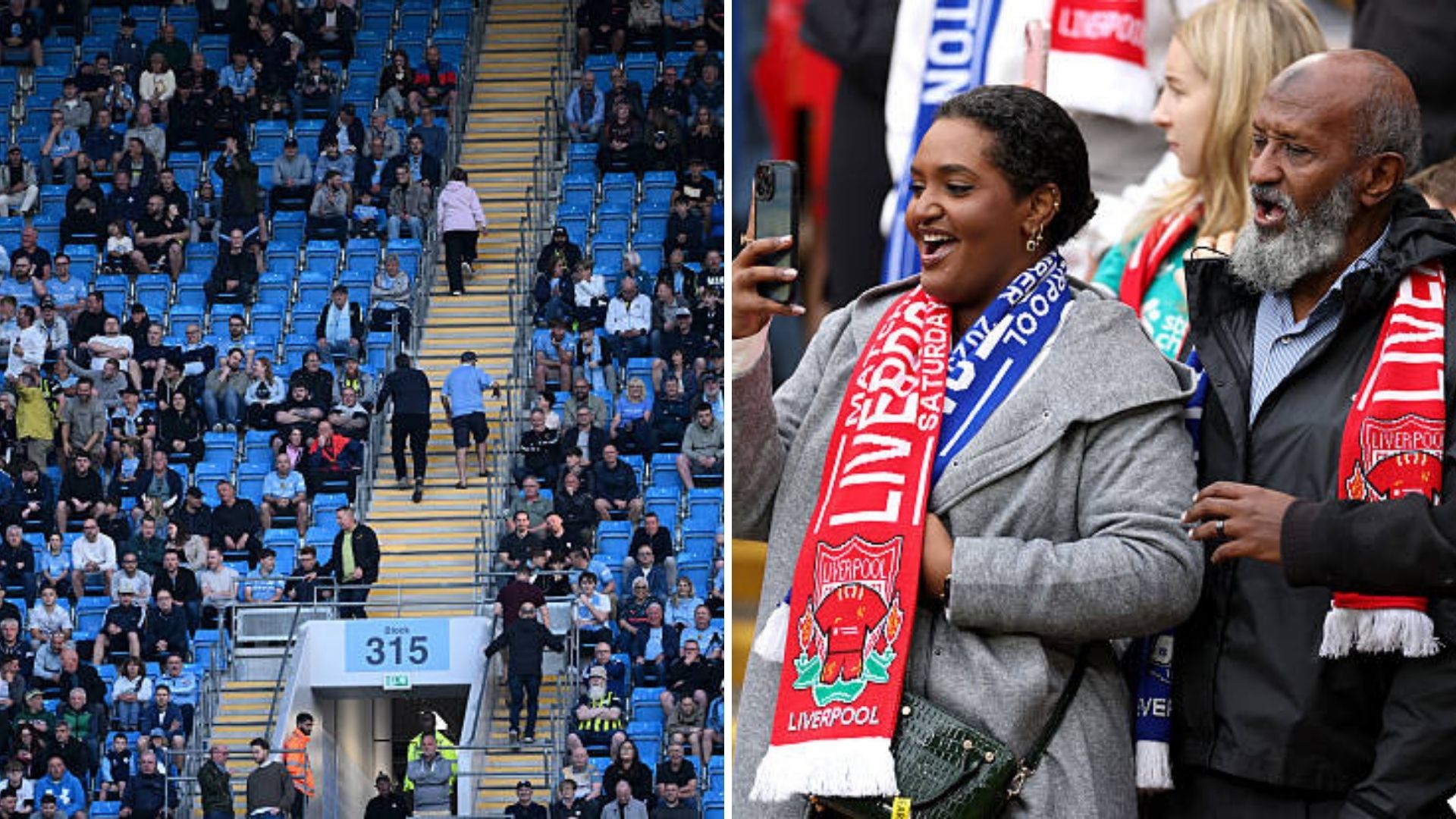
Fast forward to 2025, and matchdays in England’s top flight feel completely different. According to the New York Times, the cheapest ticket at clubs like Arsenal, Spurs, and Chelsea now costs more than an entire day’s wage for many supporters.
Factor in travel, food, and merchandise, and suddenly a family trip to the Emirates or Old Trafford becomes a once-a-year occasion rather than a weekend habit.
The stadiums might be shinier, and the sound systems are definitely louder, but the soul of English football is rapidly fading.
Football has become a lot more corporate after it’s Americanization
The Premier League has become a global brand with U.S. investors leading the way.
With that, clubs are chasing tourists, sponsors, and matchday experiences more than local loyalty. Stadium hospitality packages can easily exceed £500 per head, while local season-ticket holders face annual increases and long waiting lists.
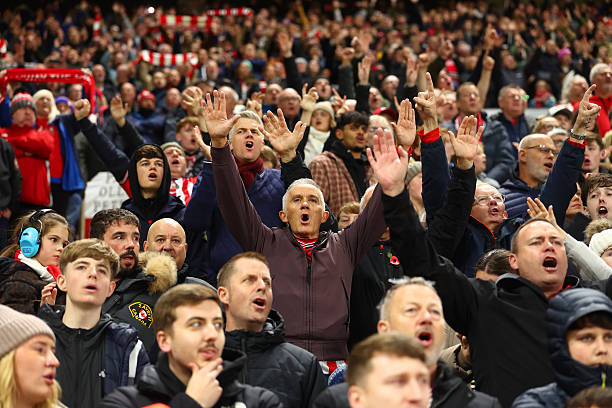
Even the atmosphere has completely hanged. Clubs want the noise but not the chaos, the colour but not the rebellion.
Singing sections are smaller, standing areas heavily monitored, and traditional supporters often relocated to make room for more premium fans.
To be fair, clubs aren’t blind, either. The global audience is enormous, international fans, digital viewers, and sponsors fund the billions that make the Premier League the world’s most-watched competition.
But the cost of that global appeal is often the erosion of local authenticity. After all, that is what makes the Premier League the best league in the world.
Clubs catering to fans who attending one match in a lifetime is a huge problem. Because the working-class season-ticket holder, who is the backbone of the club, ends up watching from a pub, priced out by their own success.
Conclusion: The beautiful game is in danger
Football’s evolution has brought incredible entertainment, technology, and global reach but also a loss of accessibility.
The Premier League remains the world’s most beautiful game, yet increasingly, it’s one that many of its most loyal fans can no longer afford to watch live. Clubs need to remember, it’s the fans that make the game so special.
Until clubs find a way to balance business with belonging, the risk is clear: the heart of English football might still beat but it’s beating behind a paywall.