Opinions & Analysis
Premier League winter schedule explained: Why there’s no traditional winter break

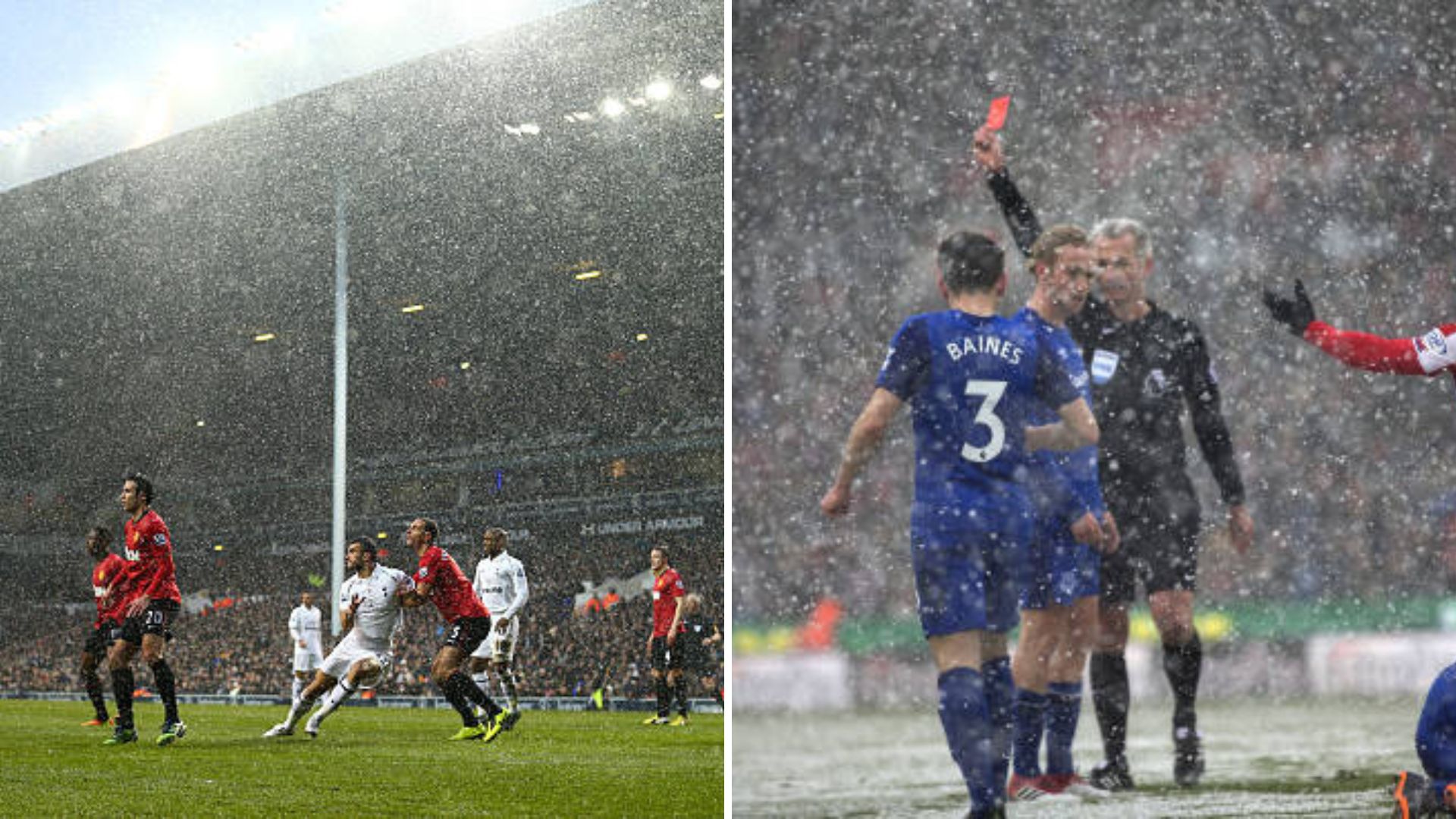
For fans outside England, the Premier League’s festive madness often looks borderline irrational. While the rest of Europe shuts down for weeks, England squeezes in its most intense run of fixtures right in the middle of winter.
But this is not stubbornness or poor planning. It is history, culture, and commerce colliding.
Let’s take a closer look at all the reasons behind Premier League’s packed scheduling around Christmas and the New Year’s and why it’s more than just tradition.
Premier League adopted a Victorian tradition that never went away
The roots of winter football in England stretch back to the late 19th century. Long before modern sports science or television money existed.
When the Football League was founded in 1888, Christmas and Boxing Day were among the very few guaranteed days off for working-class communities. Rather than staying home, Victorian England treated bank holidays as public events.
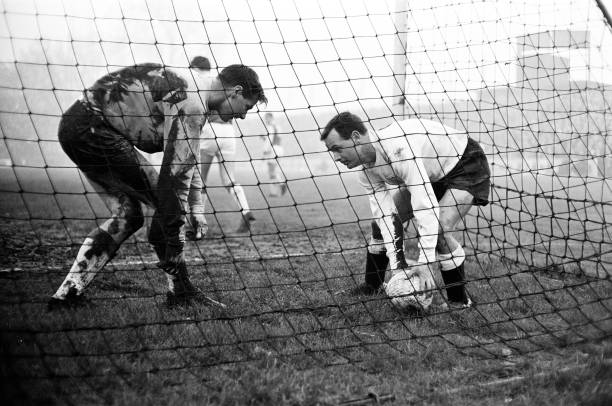
Football grounds became gathering points, and clubs quickly realised that festive fixtures meant packed terraces. To make it work logistically, the league leaned heavily into localism.
Teams often played the same opponent on consecutive days, once at home and once away, while derbies were prioritised to keep travel short in an era of steam trains and horse-drawn transport.
What began as practicality slowly became ritual. More than a century later, snow-covered pitches and Boxing Day kick-offs are no longer necessities. They are traditions the league has chosen not to abandon.
Fixture congestion and the modern calendar squeeze
In theory, the Premier League could copy leagues like the Bundesliga or La Liga and pause for winter. In practice, the calendar no longer allows it.
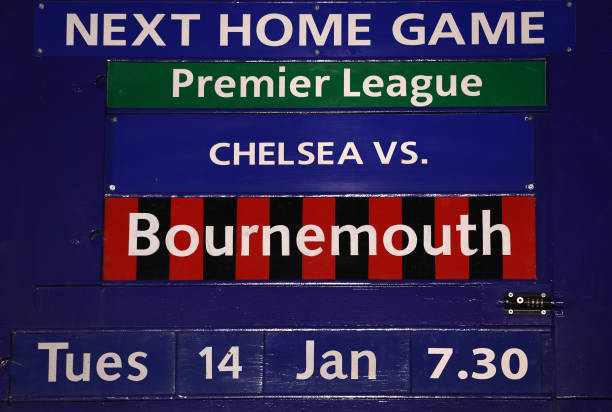
Domestic football now has to coexist with an expanded European schedule. The UEFA Champions League and Europa League have moved to a Swiss-style format, increasing the number of group-stage games and filling January midweeks that once offered breathing room.
The Premier League briefly experimented with a staggered mid-season break, but that compromise was scrapped ahead of the 2024–25 season. Rather than starting campaigns in July or cutting cup competitions, the league opted to preserve the festive run.
Premier League’s Boxing Day is simply too valuable to drop
Beyond tradition and logistics, there is a blunt commercial reality. The festive period is a broadcast goldmine.
Boxing Day in particular is woven into the identity of the Premier League. For decades, December 26 has been a guaranteed full fixture list, delivering global audiences when viewers are at home and schedules are clear.
Even when recent seasons reduced the number of Boxing Day matches, the festive window still crams multiple matchweeks into three weeks. The current season saw only one fixture scheduled on Boxing Day but a full slate is expected from next season.
To counter criticism, the league now leans on welfare measures rather than full rest. Clubs cannot play twice within 60 hours, a rule designed to avoid the brutal turnarounds that managers once openly condemned. It is a compromise, not a solution.
Compared to Europe’s winter shutdowns, the Premier League approach remains unforgiving. But in England, the belief endures that the chaos, drama, and tradition of festive football are not a flaw. They are part of the product.