Champions League
From Bankruptcy to Champions League Last 16: Bodo/Glimt’s Incredible 10-Year Rise

Last Updated on 26 February 2026
In the high-stakes world of modern football, where billionaire owners and state-backed giants dominate the narrative, a small club from the edge of the Arctic Circle has just delivered a seismic shock to the system.
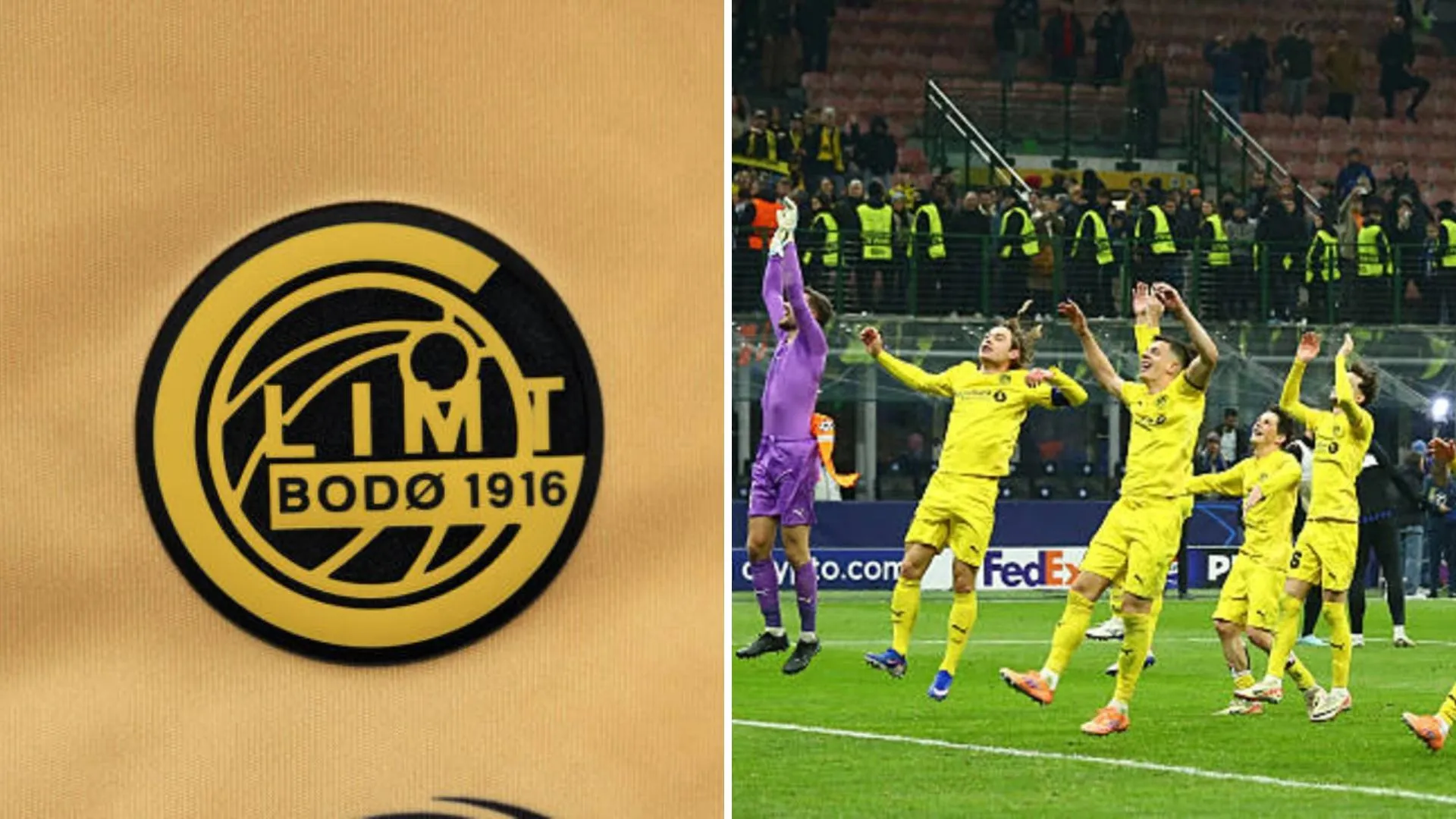
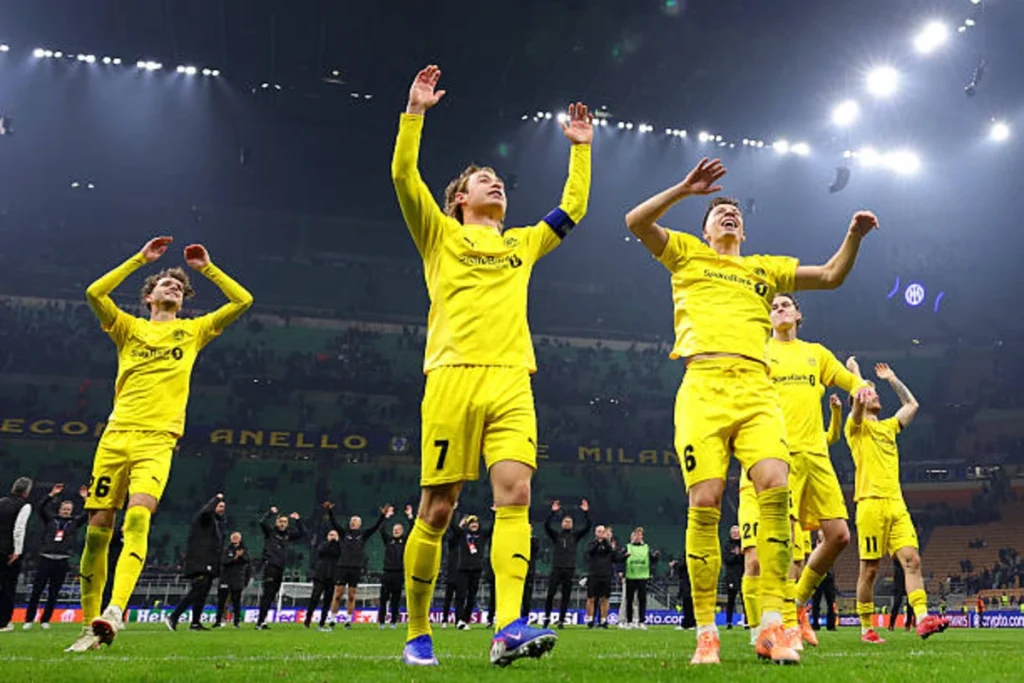
On February 24, 2026, FK Bodo/Glimt didn’t just participate in the UEFA Champions League; they conquered it. By defeating last season’s finalists Inter Milan 2-1 at the iconic San Siro, sealing a 5-2 aggregate victory, the “Glimmer” of Northern Norway has reached the Last 16.
But the real story isn’t just the 90 minutes in Milan. It is the ten-year odyssey from the brink of extinction to the pinnacle of European football.
From Relegation to Revival
A decade ago, the forecast for football in Bodo was bleak. In 2016, the club was relegated from the Norwegian top flight, but the on-pitch failure was the least of their worries.
Bodo/Glimt was on the verge of bankruptcy. With an outdated stadium and a mounting debt that threatened the club’s very existence, legendary figures like Runar Berg were forced to literally walk the streets to collect donations to keep the lights on.
At the time, the idea of competing in the Champions League wasn’t just a dream; it was a financial impossibility.
Rather than chasing short-term fixes, the club used relegation as a “hard reset.” They committed to a philosophy known in Norway as “stein på stein” (stone by stone).
The Kjetil Knutsen Effect
The turning point came in 2018 with the appointment of Kjetil Knutsen.
- Tactical Identity: Under the stewardship of Kjetil Knutsen, the club developed a fearless, high-pressing 4-3-3 system.
- A “No Excuses” Culture: Knutsen famously banned the phrase “Yes, but…” from the locker room, replacing it with a culture of collective meditation and a focus on the “process” rather than the result.
- Academy Focus: In a city of just 50,000 people, the club prioritised local talent. Today, around 40% of the squad is homegrown, a rarity in the billion-pound era of the Champions League.

European Stepping Stones
Bodo/Glimt’s rise has been characterised by “stepping stones” on the European stage. Each year, they took a bigger scalp, proving that their success was a structural evolution, not a fluke.
| Season | Competition | Notable “Giant” Slain | Outcome |
| 2021-22 | Conference League | AS Roma (6-1) | Quarter-Finals |
| 2024-25 | Europa League | Lazio | Semi-Finals |
| 2025-26 | Champions League | Man City & Atletico Madrid | Group Phase Wins |
| Feb 2026 | Champions League | Inter Milan (5-2 Agg) | Last 16 |
The 2025/26 campaign has been the crowning achievement. After finishing 23rd in the new-look league phase, beating Erling Haaland’s Manchester City along the way, Glimt were given just a 0.3% chance of reaching the knockout rounds.
Facing Inter Milan, a team worth twelve times their own valuation, Bodo/Glimt stayed true to the “Arctic Way.”
- The Goalscorers: Former AC Milan “reject” Jens Petter Hauge returned to haunt his old rivals, scoring the opener before Håkon Evjen silenced the 70,000 fans in attendance.
- The Defence: Despite Inter testing the goal with over 30 shots, the organised Norwegian backline held firm.
Why Bodo/Glimt’s Champions League Run Matters
Bodo/Glimt’s success is a rebellion against the modern game’s financial gravity. They have turned a €57m squad into a top-16 powerhouse in Europe by reinvesting prize money into infrastructure rather than wage inflation. Their upcoming “Arctic Arena”—a €110m stadium project—is the physical manifestation of a club built to last.
As the draw for the Round of 16 approaches, the big names of Europe will all be looking at the little yellow club from the North with one shared feeling: Fear.





