Off The Pitch Gossips
How the World Cup halftime show confirms the beautiful game has become an American product

Last Updated on 9 July 2026
It was always going to happen. The moment FIFA handed the World Cup 2026 to the United States, Canada and Mexico, the template was clear. And on Wednesday, the last remaining doubt was removed.
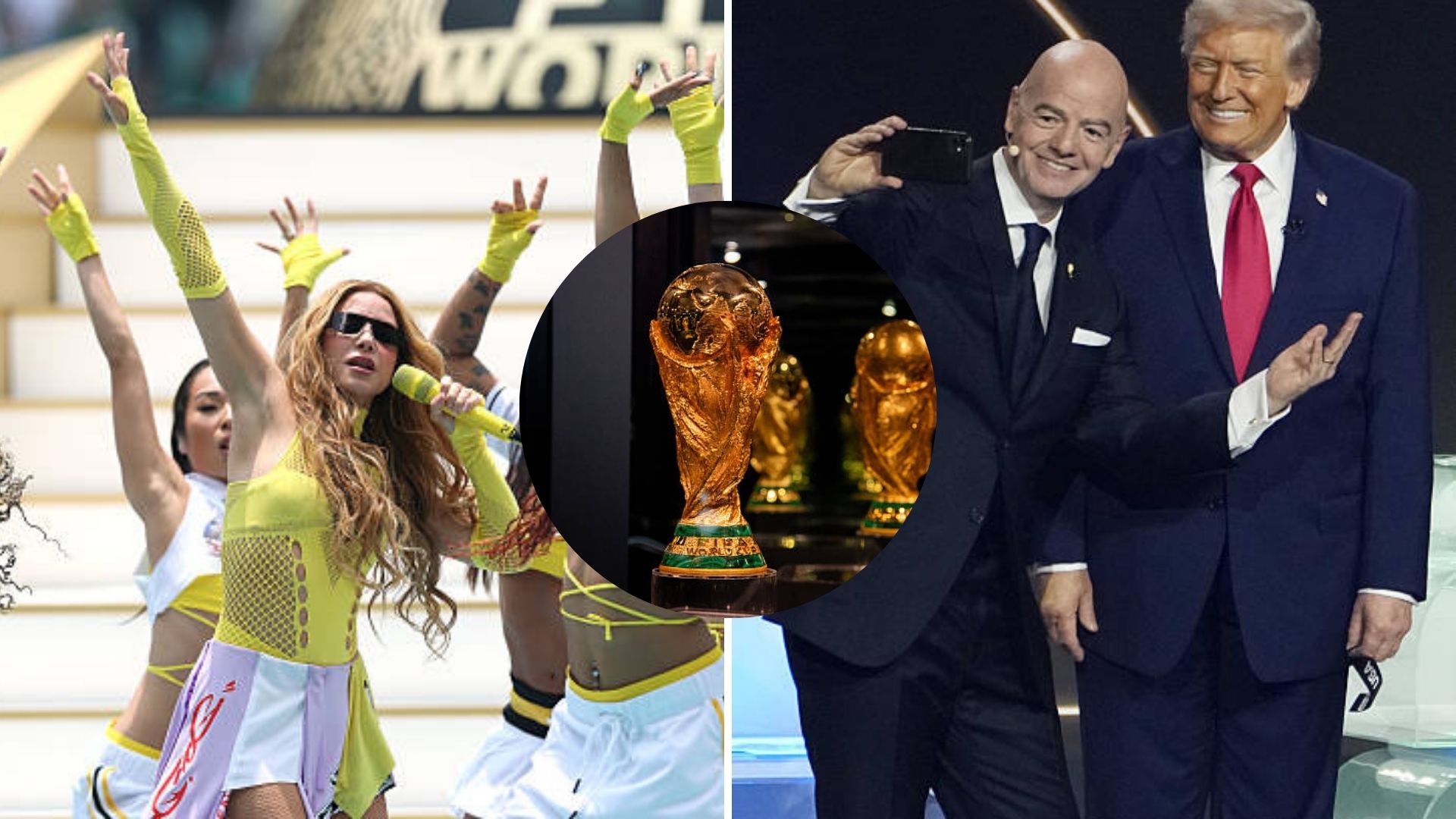
The World Cup final on July 18 will feature the first-ever halftime show in the tournament’s 96-year history: 11 minutes of Justin Bieber, Madonna, BTS and Shakira at MetLife Stadium.
Hydration breaks. Timeouts. Entertainment packages. Now a halftime show. The Super Bowl came for football. Nobody asked whether football wanted it.
Bieber, Madonna, Muppets and Ivanka on the board
FIFA and Global Citizen announced that Justin Bieber will co-headline the World Cup Final Halftime Show alongside Madonna, Shakira and BTS, with Burna Boy, Venezuelan conductor Gustavo Dudamel, Coldplay and the PS22 Chorus from Staten Island also performing.
The performance has been curated by Coldplay’s Chris Martin and will last 11 minutes,
with FIFA billing it as “the single largest gathering of artists united for a cause since Live Aid.” Kermit the Frog and Miss Piggy will also appear.
The show is attached to the FIFA Global Citizen Education Fund: a vehicle raising $100 million for children’s education access. A noble aim. Inspect the advisory board, however, and the picture shifts.
Ivanka Trump sits on it alongside Infantino, Hugh Evans, Shakira, Hugh Jackman and Bank of America Co-President Jim DeMare. The president’s daughter, advising FIFA’s charitable arm, during a tournament hosted by her father’s country, managed by her father’s administration.
That is not a coincidence. That is a relationship, and it tells you everything about who this World Cup was built to serve.
The commercialisation FIFA won’t acknowledge but can’t hide
The halftime show is not happening because fans asked for one. No supporter survey produced this result. No organic groundswell of opinion demanded 11 minutes of pop music between the 45th and 46th minutes of the World Cup final.
It happened because this is the USA, the Super Bowl is the most watched annual television event on the planet, and FIFA under Infantino has systematically remodelled the World Cup in its image. The expanded format, 48 teams, a 39-day tournament, was framed as inclusivity.
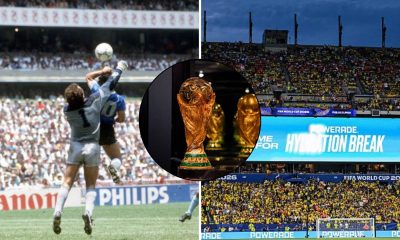
The mandatory hydration breaks, the knockout format changes, the third-place qualification slots, the simultaneous venue spread across three countries: all of it pointed in one direction: more product, more broadcast windows, more advertising inventory.
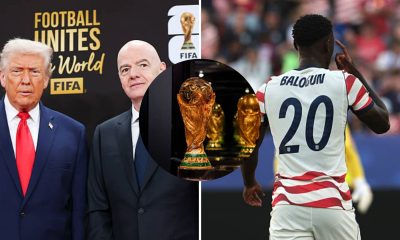
Infantino’s World Cup has survived visa bond scandals, a Somalian referee barred from entering the host country, the Balogun suspension reversal after a White House phone call, and a tournament that has priced out the very communities it claims to celebrate.
It has produced extraordinary football: Cape Verde, Paraguay, Haaland, Messi’s records, Vozinha’s tears. None of that was because of FIFA. All of it happened despite the structure around it. The halftime show is the clearest signal yet of where this is heading.
The people’s sport now has production values. The question nobody in Zurich is asking is whether the people wanted them.