Exclusives
The rise of ‘the digital fan’ and how they shape decision making inside the Premier League

Last Updated on 6 November 2025
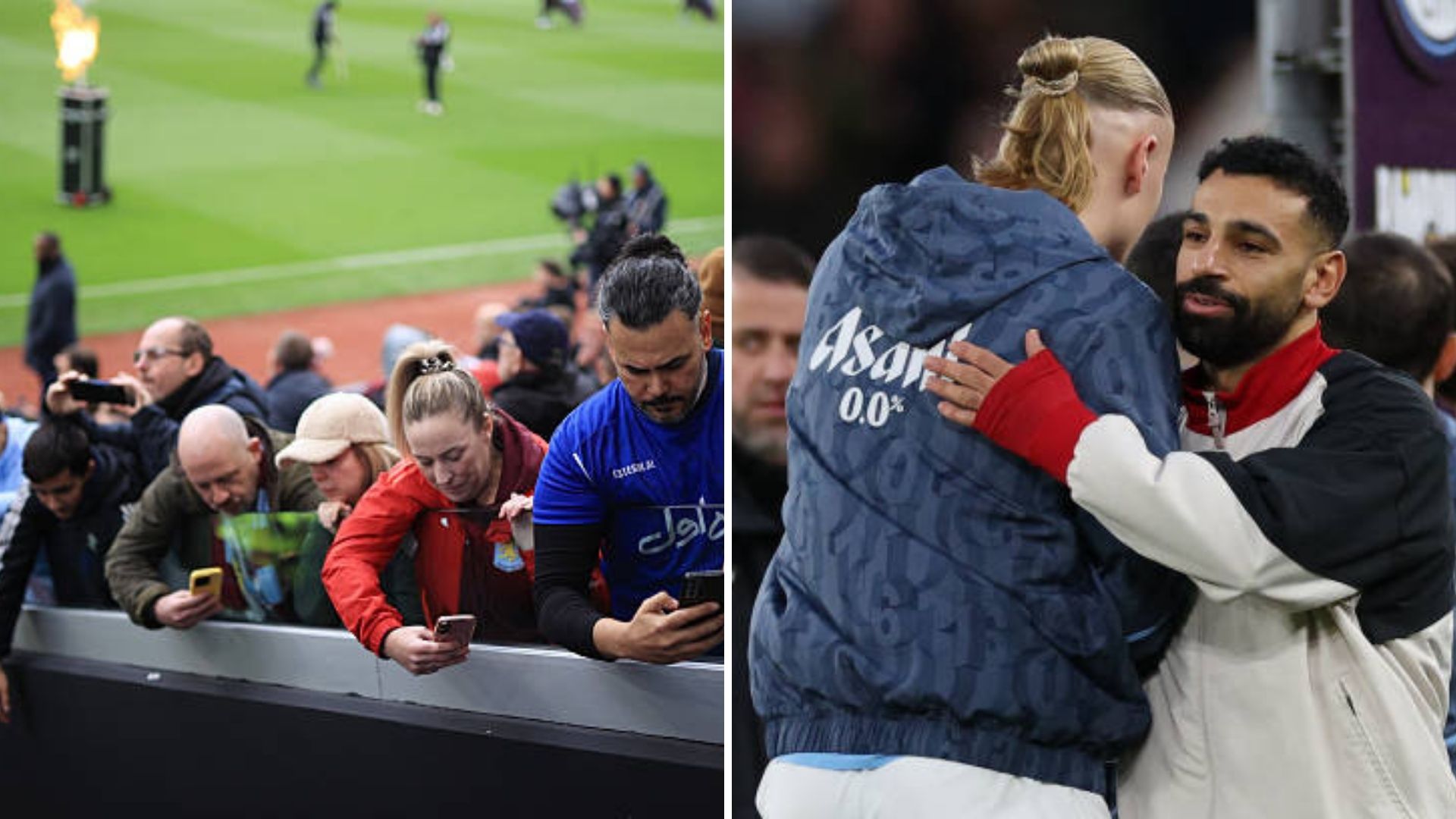
The rise of the digital fan has turned football into a 24/7 conversation, and Premier League clubs are learning that ignoring that conversation comes with consequences.
Fans dissect every pass, substitution, and training photo like detectives solving a crime and online sentiment often spills onto the pitch, too, in various ways.
Simply put, the Premier League has changed massively compared to the 2000s. It’s almost a different sport with different expectations, played in a different way, too.
Fan opinion constructing Premier League decision-making
A generation ago, fan opinion was confined to pub debates and matchday chants. You still hear the “sacked in the morning” songs on certain away days, but it’s not just a chant anymore.
When a player misplaces a pass or a manager makes a questionable change, the outrage is instantly visible. Trending hashtags, memes, and even coordinated “#Out” campaigns. At this point, clubs are no longer just managing teams; they are managing narratives.
The other side of the story is the impact that this newfound visibility is making on the clubs and players.
When Manchester United stumbled out of the gate in the 2025/26 season, online chatter had already written the script: Ruben Amorim out.
Much of it had to do with their defeat to Tottenham Hotspur in the Europa League final and a poor Premier League campaign that saw them finish 15th.
Clips of his post-match interviews were dissected, tacticos on X compared his pressing structure to Erik Ten Hag’s. YouTubers were calling for “a reset before it’s too late.” The noise became so loud that Sir Jim Ratcliffe was asked directly whether the club was considering a change.
But, as per ESPN, Ratcliffe reiterated his support for Amorim explaining how the Portuguese will be judged on a larger sample size.
The weight of a hefty price tag in the digital era
For players, the digital age has made “big money signing” almost a curse. Every bad touch, misplaced pass, or missed chance gets clipped, captioned, and circulated within seconds. It’s more than just criticism, it’s performance theatre.
Take Mason Mount’s start at Manchester United, Darwin Nunez at Liverpool, or Mykhailo Mudryk at Chelsea, all turned into memes long before they had a chance to settle. Their struggles became viral content.
Jadon Sancho at Old Trafford was subjected to a ‘007’ James Bond meme with a countdown looming on his head before every match. It was basically how the English star failed to score or assist in his first seven appearances for United.
Once a player trends for the wrong reasons, recovery becomes harder. Algorithms amplify outrage. Even neutral fans join the pile-on. And in some cases, the online narrative becomes so dominant that it starts influencing how pundits and even clubs view the situation.
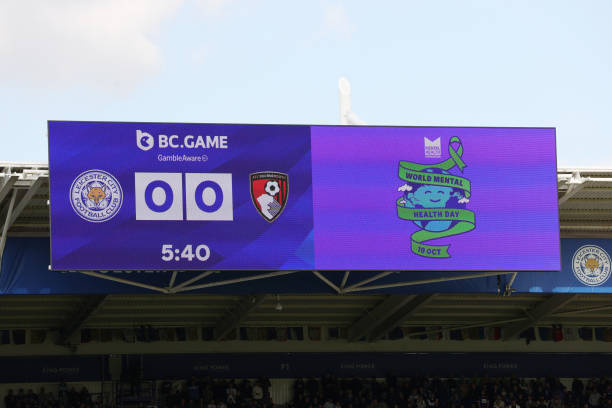
Clubs are increasingly aware of how these waves of digital criticism can impact confidence and the wider brand image. That’s why more teams now have PR specialists, mental health support, and communication strategists working directly with players.
Conclusion – The digital fan is here to stay
The smartest clubs have realized that online sentiment can be weaponized positively. Manchester City’s “All or Nothing” and Arsenal’s “Process” branding show how storytelling can turn criticism into buy-in.
But the modern supporter is definitely here to stay. They don’t just buy shirts and tickets, they drive engagement, influence sponsorships, and shape club policy through sheer visibility. Every retweet, rant, and meme adds to the noise that defines a club’s reputation.
In this new football economy, digital sentiment is as real a currency as matchday revenue. Those that don’t may find themselves answering not just to their boards… but to the timelines.