Exclusives
Can Saudi Arabia’s football project really rival the Premier League in the long-term?

Last Updated on 13 November 2025
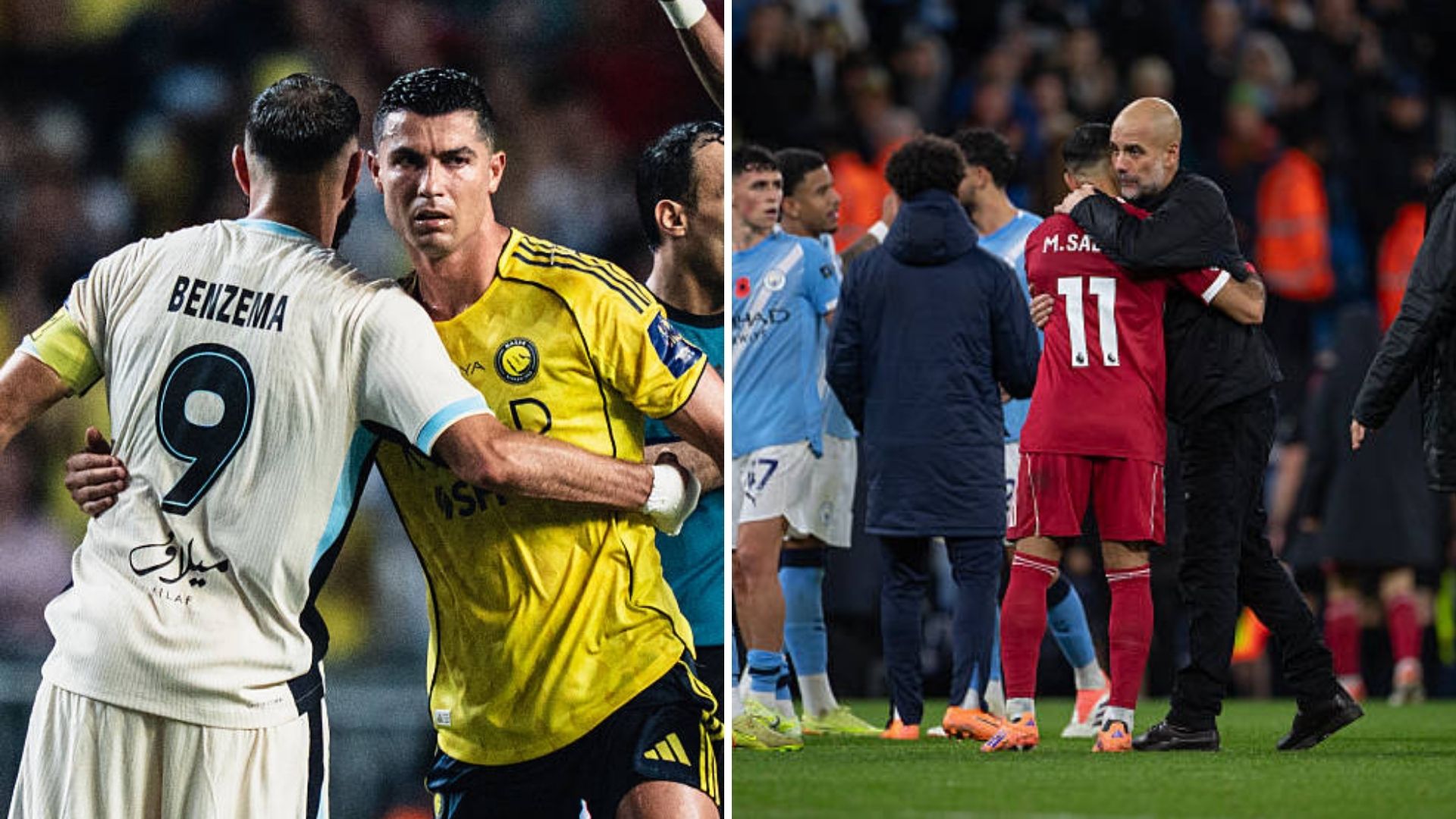
When Cristiano Ronaldo signed for Al Nassr in late 2022, few realised how seismic that move would be. It was more than just another star heading abroad for a payday, it was the beginning of an era!
Within months, Karim Benzema, Neymar, Sadio Mane, and N’Golo Kante followed, and suddenly, the Saudi Pro League was positioning itself as football’s next global powerhouse.
But two years on, as the dust settles, the question remains, can Saudi Arabia’s football project genuinely rival the Premier League, or will it fade into another flash-in-the-pan football revolution?
The Saudi ambition: building a brand to compete with the Premier League
Saudi Arabia’s football vision isn’t random. It’s part of “Vision 2030”, Crown Prince Mohammed bin Salman’s plan to diversify the economy beyond oil.
Football is central to that mission. The state’s Public Investment Fund (PIF) owns Al Hilal, Al Nassr, Al Ittihad, and Al Ahli, injecting billions into infrastructure, marketing, and player recruitment.
The aim is to make the Saudi Pro League one of the top 10 leagues in the world by 2030. And not just through foreign stars but also through investment in youth academies, sports science, and global partnerships.
Broadcast deals have already expanded into Europe and Asia. Stadiums, on the other hand, are being upgraded, and the league’s social media presence has skyrocketed. The project is designed to compete culturally, commercially, and visually with the Premier League.
What Saudi Arabia has got right and why the Premier League remains the benchmark
To understand Saudi Arabia’s challenge, it’s worth recognising why the Premier League is still untouchable.
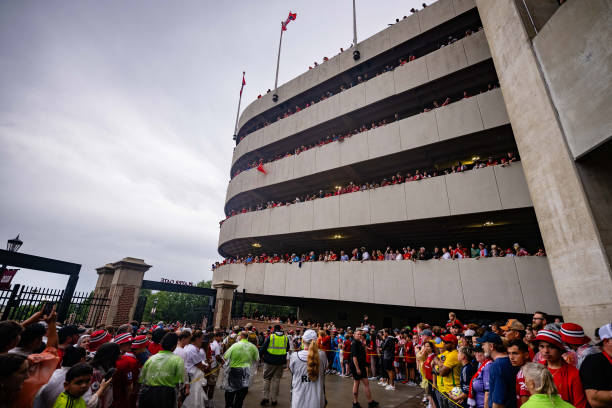
England’s top flight didn’t just become a success overnight. It’s the product of three decades of global marketing, historic clubs, and unmatched competitiveness.
Saudi Arabia, meanwhile, have the resources. Unlimited, in a manner of speaking but the Premier League has the narrative and heritage that can’t be bought.
Despite that, there are areas where the Saudi Pro League has made undeniable progress.
The arrival of superstars has boosted its visibility and drawn new fans, particularly across Asia and the Middle East. Clubs like Al Hilal and Al Nassr now enjoy real global recognition.
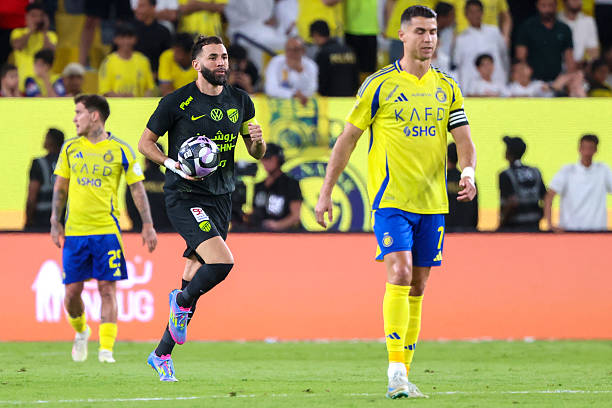
Infrastructure development has been rapid, and the Saudi government’s commitment ensures financial backing won’t run dry anytime soon.
Meanwhile some players like Ivan Toney does believe that the Saudi league is actually ‘on par’ with the Premier League, as per The Independent.
The country’s successful bid to host the 2034 World Cup also proves how football has become a diplomatic and soft power tool the perfect way of reshaping global perception.
The roadblocks ahead and why it won’t be an easy journey
Saudi Arabia still faces structural issues like limited competitive balance, low domestic engagement, and overreliance on state funding.
Unlike England, where every weekend feels unpredictable, the Saudi league often sees dominant clubs winning with ease, limiting its long-term appeal.
Then there’s the issue of timing: many imported stars arrive past their peak, creating a perception that the league is a luxury retirement stop rather than a true sporting test.
Sustainability is another concern. Will fans around the world still tune in once the novelty fades?
Without a stronger grassroots system and organic club identity, the league risks becoming a highlight reel rather than a legacy.





