Liverpool
King Kenny’s equal, but Klopp’s ghost: Slot’s 100-game milestone masks a mounting crisis

Last Updated on 11 March 2026
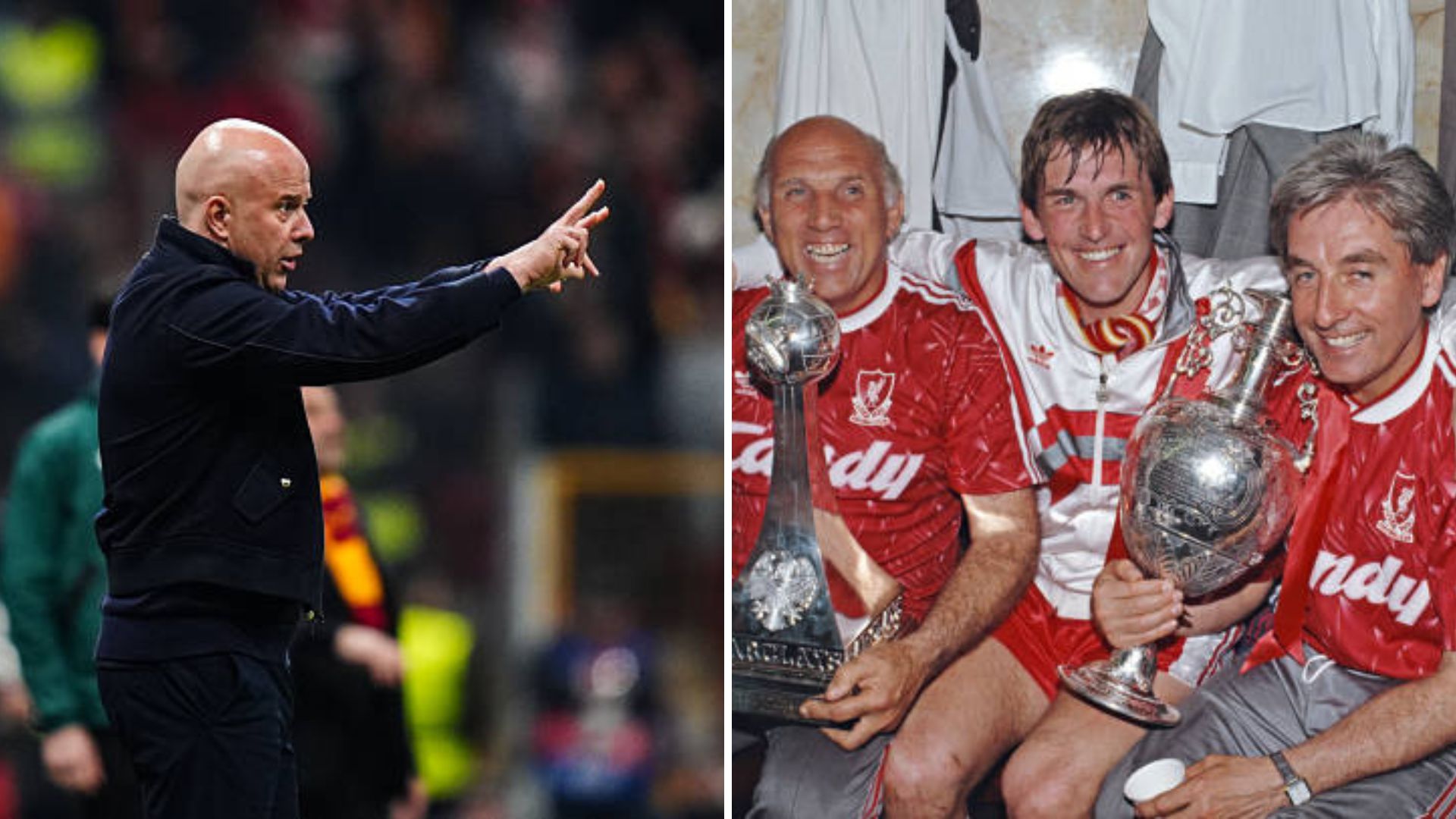
Arne Slot’s 100th match as Liverpool manager should have been a moment of celebration. On paper, it placed him alongside Sir Kenny Dalglish with 62 wins in his first century of games, a benchmark few managers in the club’s history have reached.
But milestones can deceive. Liverpool’s 1-0 defeat to Galatasaray on a Champions League night turned what should have been a historic marker into a sobering snapshot of a team drifting away from its identity.
The numbers still look impressive. The trajectory behind them, however, tells a far more troubling story.
Arne Slot matches King Kenny but Liverpool’s form tells another story
Equalling Kenny Dalglish’s record suggests continuity with one of Liverpool’s greatest managerial starts. Yet the context surrounding Arne Slot’s 62 wins paints a very different picture.
Much of the success came during an explosive first season when Liverpool appeared to seamlessly transition from the Jurgen Klopp era. The side was efficient, confident and difficult to beat, suffering just seven defeats in the first 50 matches under the Dutchman.
Since then, the trend has shifted dramatically. In the following 50 games, Liverpool have already lost 16 times, more than double the defeats of the opening stretch. Instead of building momentum, the team’s performances have steadily regressed.
The result is a milestone that looks historic in the record books but uneasy in reality. Slot may have matched “King Kenny” statistically, but the direction of Liverpool’s form suggests the comparison ends there.
From Klopp’s ‘Heavy Metal’ to tactical identity crisis
Perhaps the most visible shift has been stylistic. Under Jurgen Klopp, Liverpool’s football was defined by relentless pressing: the famous “heavy metal” approach that suffocated opponents and generated chaos in transition.
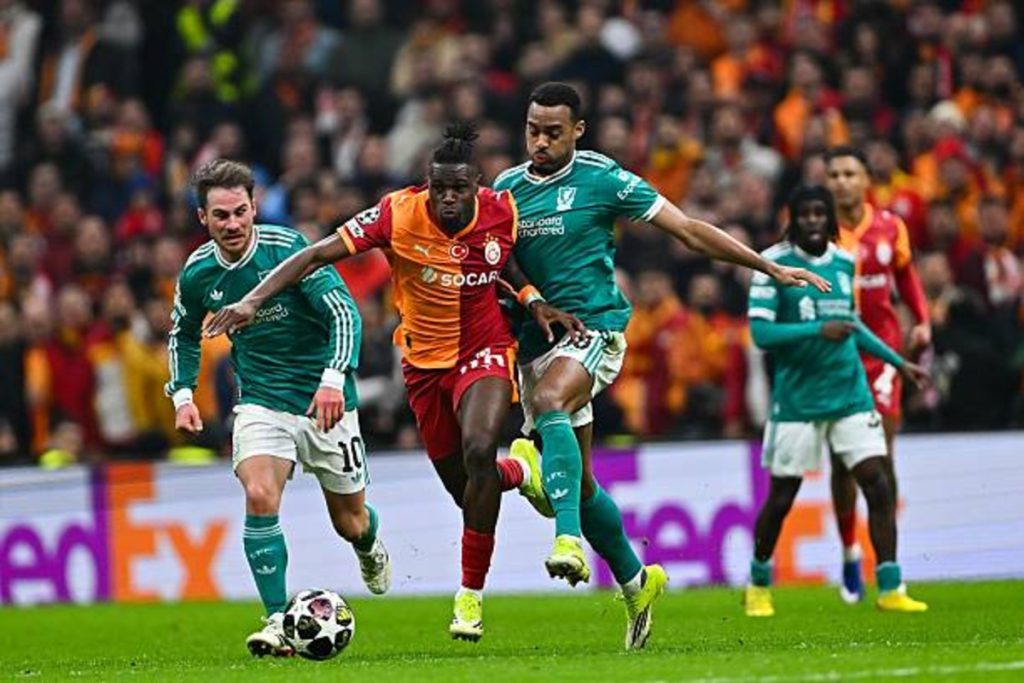
Under Slot, that intensity has largely disappeared. The press is sporadic rather than aggressive, with Liverpool often opting to block space rather than hunt the ball high up the pitch.
The result is a team caught between identities. At times, matches become end-to-end affairs where Liverpool look dangerously open defensively. At others, possession slows to a crawl, producing sterile passages of play that create little in the final third.
That inconsistency is particularly concerning given the club’s significant investment. Liverpool spent heavily in recent transfer windows, bringing in players like Alexander Isak, Hugo Ekitike and Florian Wirtz to elevate the squad.
Yet despite those additions, the team currently sits sixth in the table, with Champions League qualification far from secure. Slot himself has insisted he is “proud” of his record, pointing to a win percentage that places him among the club’s more successful managers statistically.
But milestones alone rarely define eras at Liverpool. And while Slot may have matched Dalglish’s early numbers, the lingering comparison haunting this team isn’t with “King Kenny”, it’s with the intensity, clarity and dominance of Klopp’s Liverpool that came before.