Exclusives
Why Old Trafford’s glory days still define the Premier League

Last Updated on 7 November 2025
When people talk about English football, one name inevitably comes up first, Manchester United.
Even after a decade without a Premier League title, Manchester United remain the benchmark of what success, identity, and global reach look like in the sport.
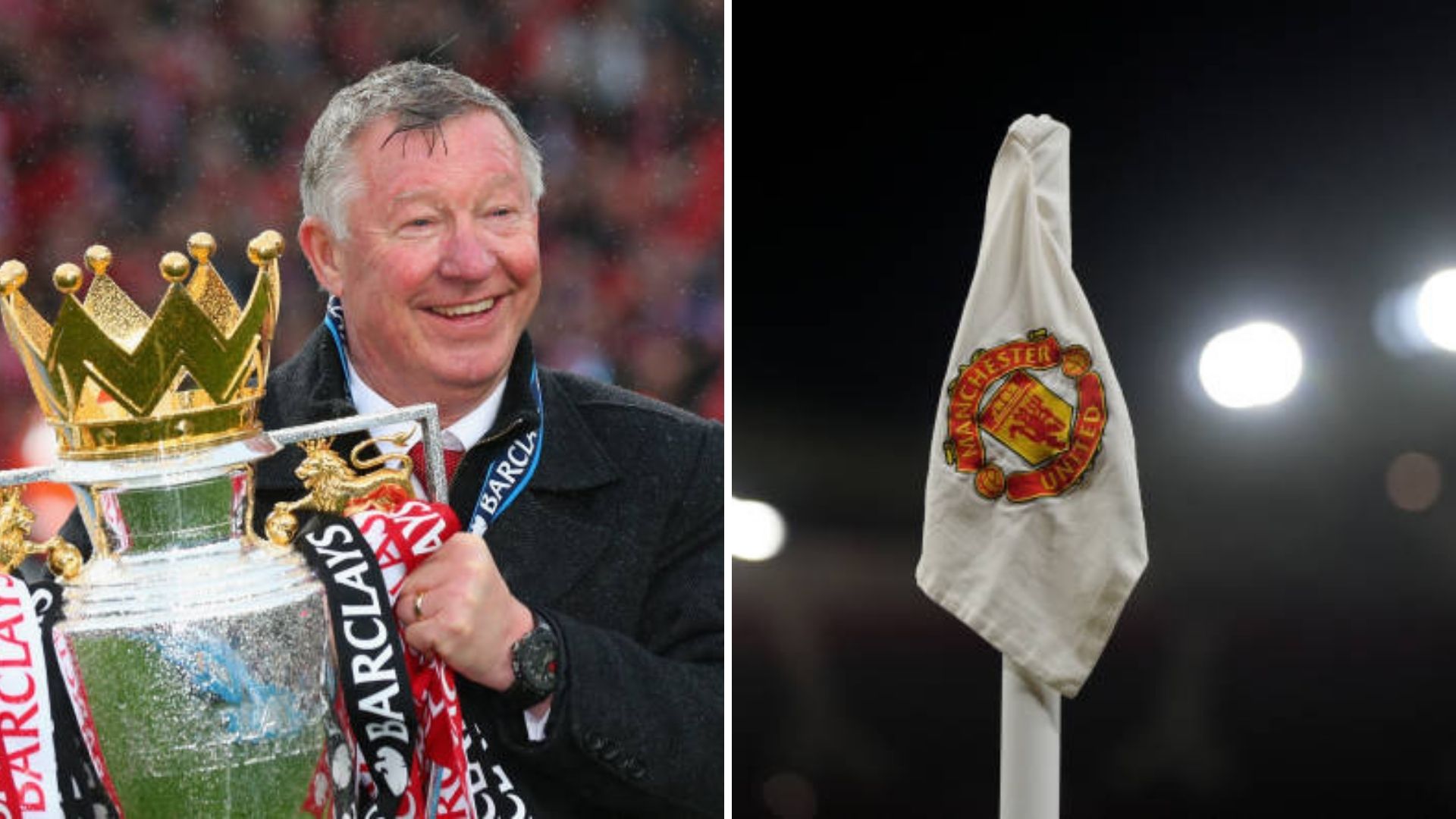
Their glory days under Sir Alex Ferguson didn’t just bring trophies. It created a cultural blueprint that still defines modern English football.
The Alex Ferguson formula: Build an empire with his Manchester United squad
Sir Alex Ferguson’s dynasty wasn’t just about winning; it was about sustained dominance.
From 1992 to 2013, United lifted 13 Premier League titles, shaping an era where every rival was judged by their ability to compete with them.
His blend of discipline, youth development, and tactical adaptability became the template for long-term success.
Clubs like Manchester City and Liverpool, who now dominate, are in many ways following that same blueprint. Long-term projects rooted in philosophy and consistency, not just big-money signings.
The “Class of ’92” also revolutionized English football’s approach to academies. Ryan Giggs, Paul Scholes, and David Beckham were more than just players. They symbolized a self-sustaining identity that many clubs still strive to emulate today.
Manchester United were AHEAD of the curve when it came to building a brand
Long before TikTok highlights and multi-billion-dollar broadcast deals, Manchester United built the first truly global football brand.
From Asia to Africa, millions of fans fell in love with the club’s attacking football, their iconic red shirts, and the mythos of the Theatre of Dreams.
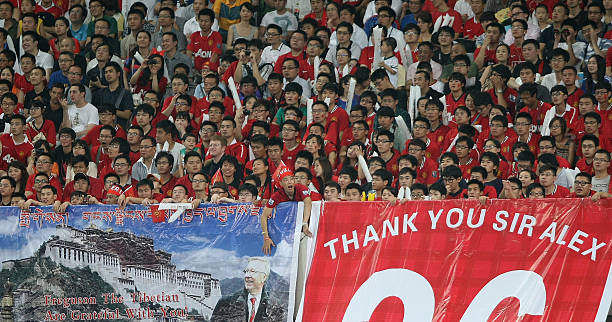
The Premier League’s modern identity, as the most-watched, most-marketable league on earth, owes much to United’s global reach during the 1990s and 2000s.
Their tours, sponsorships, and superstar appeal paved the way for what football marketing looks like today.
Even today, United easily pull tens of thousands of supporters in East Asia and North America for friendly matches in pre-season tours. Few clubs can match that clout.
Manchester United’s legacy shapes the Premier League product
When Sky Sports marketed the Premier League to the world in the 1990s, it was often United front and centre. Eric Cantona, Roy Keane, David Beckham, Paul Scholes, Ryan Giggs, a club whose story carried the drama and charisma the league wanted to sell.
Even today, United remain relevant beyond results.
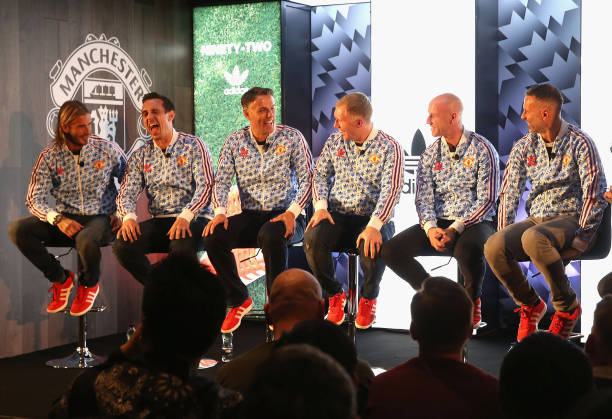
As per SI, their record of having a homegrown player in every matchday squad since 1937 is a powerful reminder that tradition and identity still matter in a sport increasingly dominated by global money and corporate ownership.
It’s a continuity that connects the Busby Babes to the Class of ’92 to the next generation coming through Carrington. Proof that United’s DNA runs deeper than any single era.
In many ways, the modern Premier League’s culture, youth, ambition, global spectacle, and loyalty to identity, was built on the foundation Manchester United laid.
Conclusion: Manchester United’s standard refuses to fade
Manchester United might no longer rule the Premier League, but they still rule its narrative. Only Liverpool can rival them in that regard, with every new contender getting compared to Ferguson’s empire, like their noisy neighbours.
And until another club can sustain dominance across decades or inspire a global fanbases. Manchester United will remain the soul of modern English football.