Chelsea
Why smaller Premier League clubs are pushing back against multi-club ownership

Last Updated on 12 November 2025
From City Football Group’s network spanning Manchester to Melbourne, to Red Bull’s empire stretching from Leipzig to New York, multi-club ownership is the new reality of the footballing world.
The idea is simple, create a global ecosystem of clubs that share players, resources, data, and commercial strategies.
But not everyone’s on board. As these networks expand, smaller Premier League clubs are increasingly wary of how multi-club ownership is reshaping the league’s balance of power.
The rise of multi-club ownership
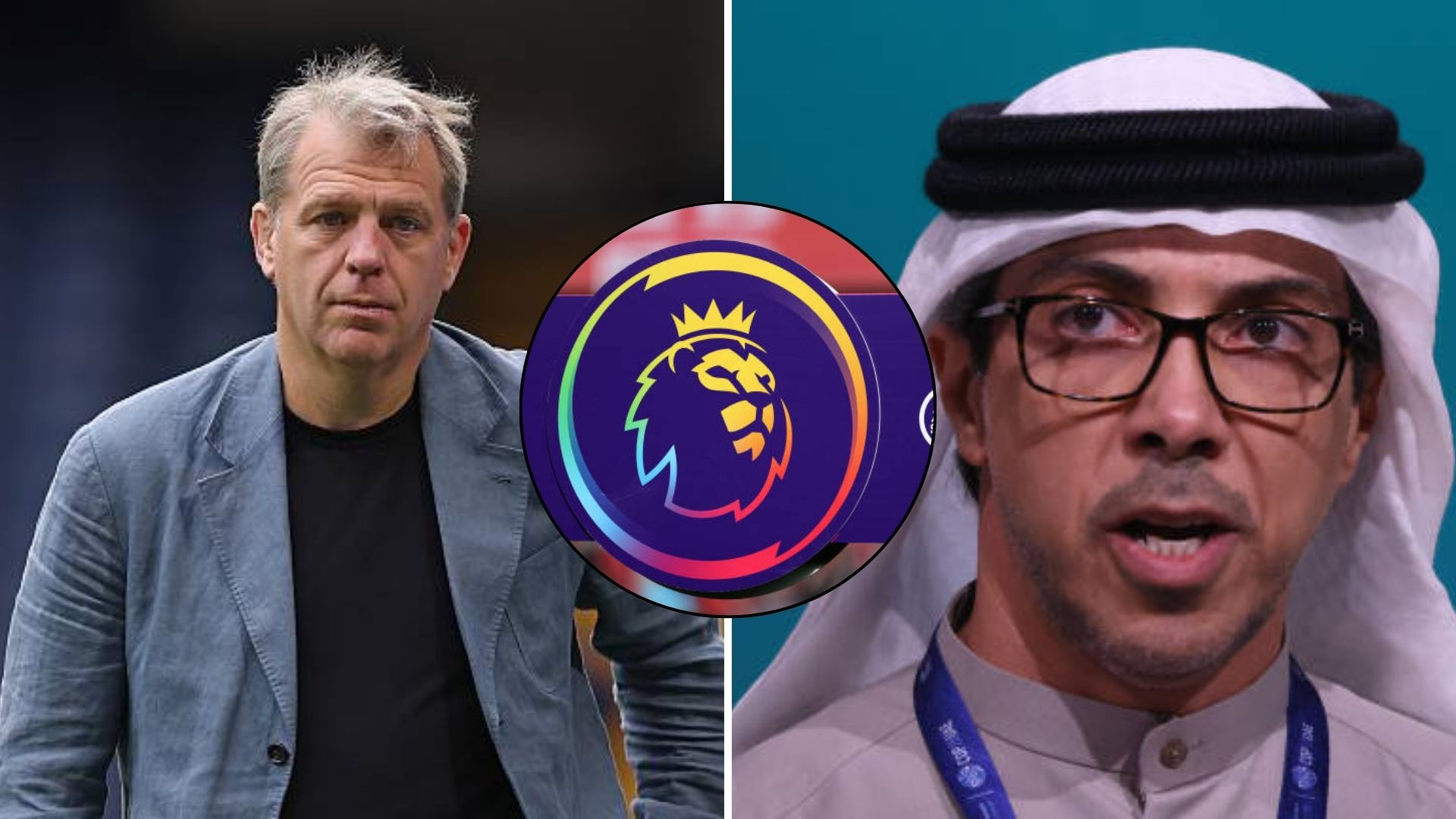
Manchester City’s City Football Group and Chelsea with Todd Boehly and Clearlake Capital lead the way in multi-club ownership in the Premier League.
The City Football Group own four other UEFA-association clubs, including Girona, Palermo, Troyes and Lommel. In addition to those clubs, the group has major investments in clubs like Mumbai City, New York City, Melbourne City, and Yokohama F. Marinos among others.
Similarly, Chelsea’s owners, BlueCo, bought Ligue 1 club, Strasbourg in 2023.
Other clubs in the Premier League also have owners with investments in various different clubs like the Brighton Hove & Albion owner, Tony Bloom. He bought Union Saint-Gilloise in 2018 and has, since, bought stakes in Scottish side, Heart of Midlothian and Melbourne Victory.
A number of other clubs are looking to have similar networks with Liverpool’s owners, Fenway Sports Group (FSG) looking to buy another club. They held talks with Malaga and Bordeaux before showing strong interest in buying Getafe from La Liga.
The growing power divide because of multi-club ownership
For independent clubs like Fulham, Wolverhampton Wanderers and others, multi-club ownership poses a direct threat to competitive integrity. When one ownership group controls several clubs, it can influence the transfer market in ways smaller teams simply can’t match.
Larger groups can move players internally at low cost, hoard young talent, and gain access to global scouting data that others can’t afford. Chelsea are a prime example, they have used Strasbourg as a “feeder” club by sending their players there on loan.
Manchester City also used the multi-club ownership model to sign big talent, Savinho, from Atletico Mineiro to City Football Group, rather than any particular club.
The Brazilian spent time with Troyes initially, before being loaned to out another CFG club, Girona, before securing a move to Manchester City in 2024.
This creates a football “monopoly” effect with independent clubs struggling to compete, not because of poor management, but because of sheer structural disadvantage.
There’s also concern about conflicts of interest. UEFA restricts clubs with shared ownership from competing in the same competition. In fact, due to this very reason, Crystal Palace due to their owner, John Textor, were relegated from the Europa League to the Conference League.
The pushback and what happens next?
As of 2025, discussions around stricter regulations on multi-club ownership have intensified.

Some Premier League clubs are lobbying for clearer transparency rules on player movement, shared data, and financial flow between sister clubs. Others want caps on how many clubs a single entity can control within top-tier competitions.
More importantly, there’s also the worry that local identity could erode. If a club becomes part of a multinational portfolio, does it still truly represent its city and supporters, or is it just another franchise in a global football business?
While MCO might be the future for elite investors, the smaller clubs’ resistance reflects something purer: a desire to preserve the Premier League’s hallmark trait: competitiveness.
The league’s global success has always been built on unpredictability, where anyone can beat anyone. If that balance tilts too far toward corporate networks, that magic could fade.